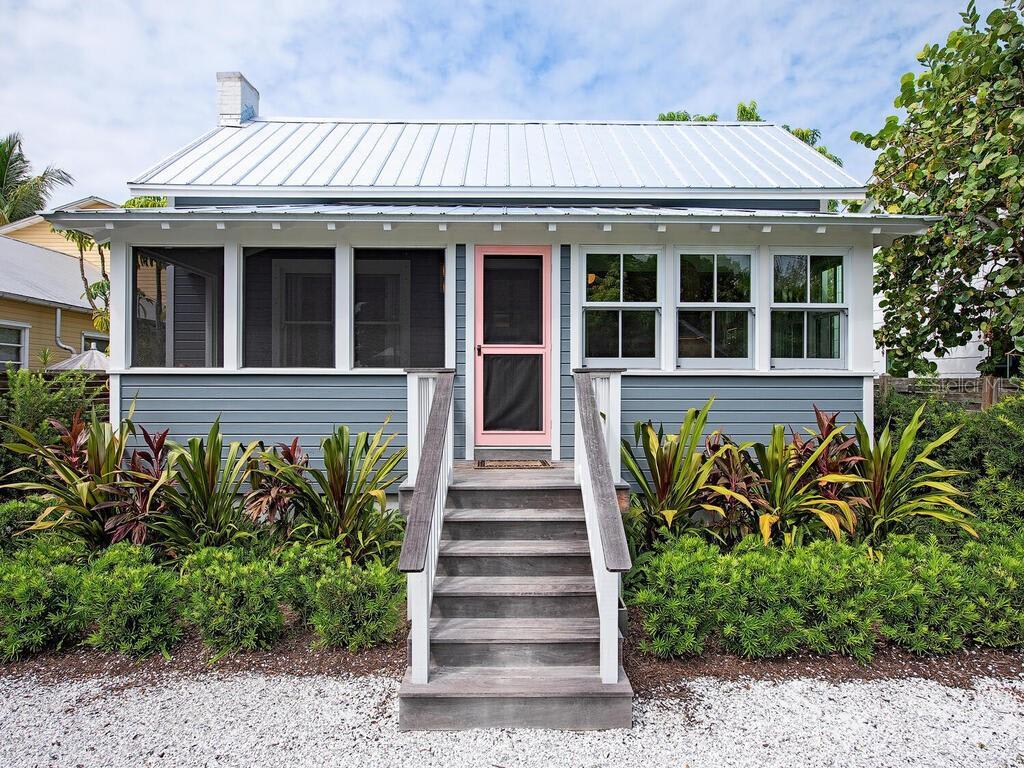
What draws people to a tiny island village where you can hear gulls over the harbor and roll to dinner in a golf cart? If you are looking at Boca Grande’s Historic Village in 33921, you are likely weighing charm, convenience, and beach life against suburban space and big-box ease. You want a place that feels special but works for real life. This guide walks you through the rhythm of Village living so you can decide if it fits your style and priorities. Let’s dive in.
Historic village character
The Historic Village sits at the heart of Gasparilla Island. Streets are narrow and shaded, lined with cottages, bungalows, and low-rise homes that echo an early 20th-century resort and fishing town. Storefronts and inns follow that same scale, which keeps the center walkable and human in feel. The result is a compact, in-town lifestyle where your home sits close to shops, cafés, and the shoreline.
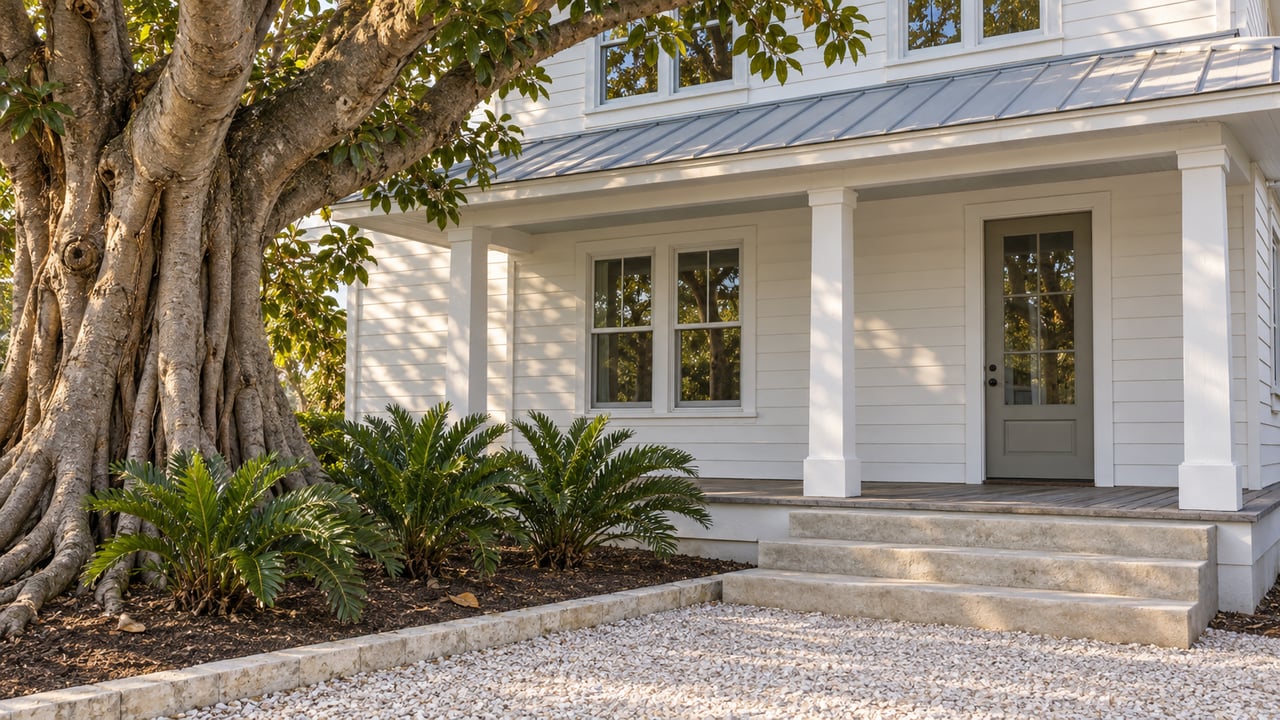
You will notice porches, picket fences, and mature trees rather than wide setbacks and three-car garages. That scale shapes everything from traffic speeds to how neighbors interact. If you prefer a quiet, pedestrian setting over large subdivisions and arterial roads, the Village’s character will likely resonate.
Daily life and mobility
If you like to walk, this is your zone. Many daily trips are a few blocks: coffee, a quick bite, a gallery, or a pharmacy stop. Sidewalk coverage varies and streets can be narrow, so you will see a steady mix of pedestrians and cyclists.
Golf carts are a common second vehicle. They are handy for short errands or a sunset ride to the beach. That slower pace defines the experience and makes the Village feel different from car-first coastal suburbs. Parking is tighter in the core, so plan for smaller driveways and some on-street maneuvering.
Shops, dining, and services
The retail mix is boutique and curated. Expect independent shops, galleries, and specialty stores rather than big-box names. Dining ranges from casual cafés and seafood spots to a few higher-end, historic settings tied to the island’s hospitality tradition.
Hours can be seasonal. Winter brings more energy and extended schedules. Summer is quieter, and some businesses scale back. You will find basics in town, but most residents make mainland trips for larger grocery runs and household supplies.
Beaches and outdoor rhythm
Beach access is one of the Village’s everyday luxuries. Walking to the water is simple, and you can often plan your day around a quick swim or sunrise stroll. The island’s identity is tied to the water, with fishing, boating, paddling, shelling, and birding all part of the social calendar.
Community events add to the small-town feel. Seasonal parades, fundraisers, and gatherings bring neighbors together. If you enjoy low-key social time outdoors, you will fit right in.
Housing and architecture
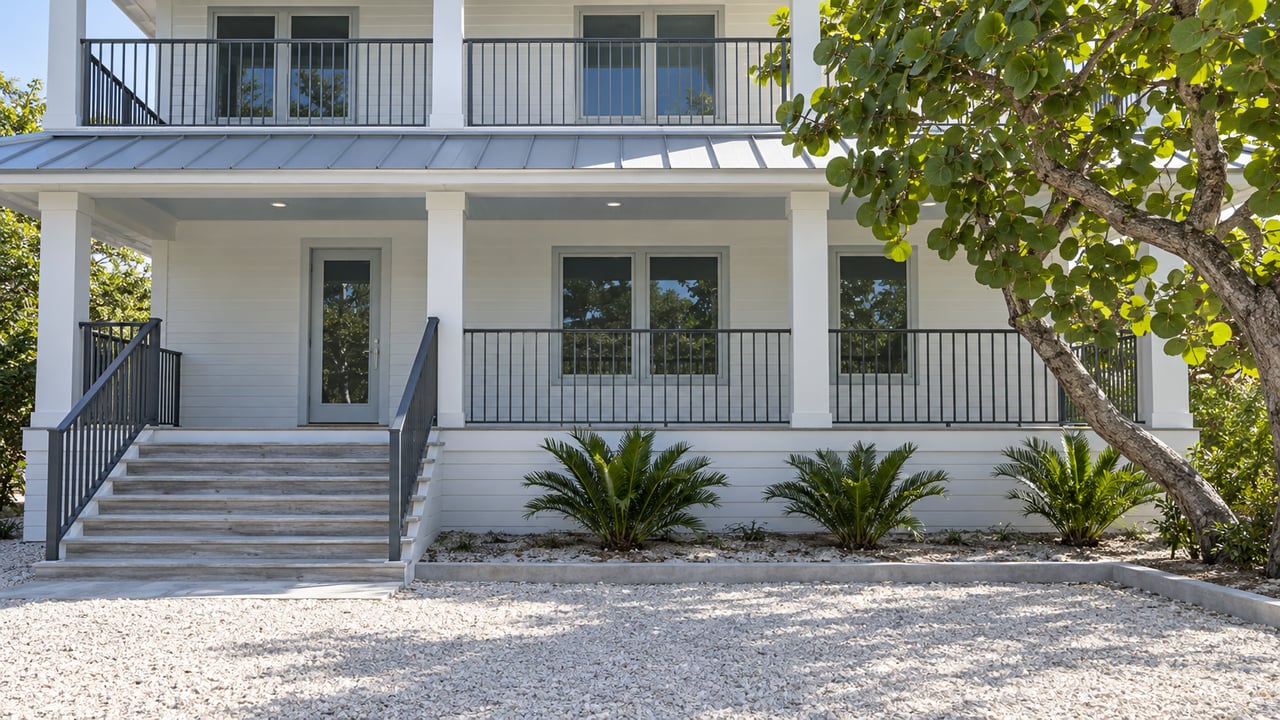
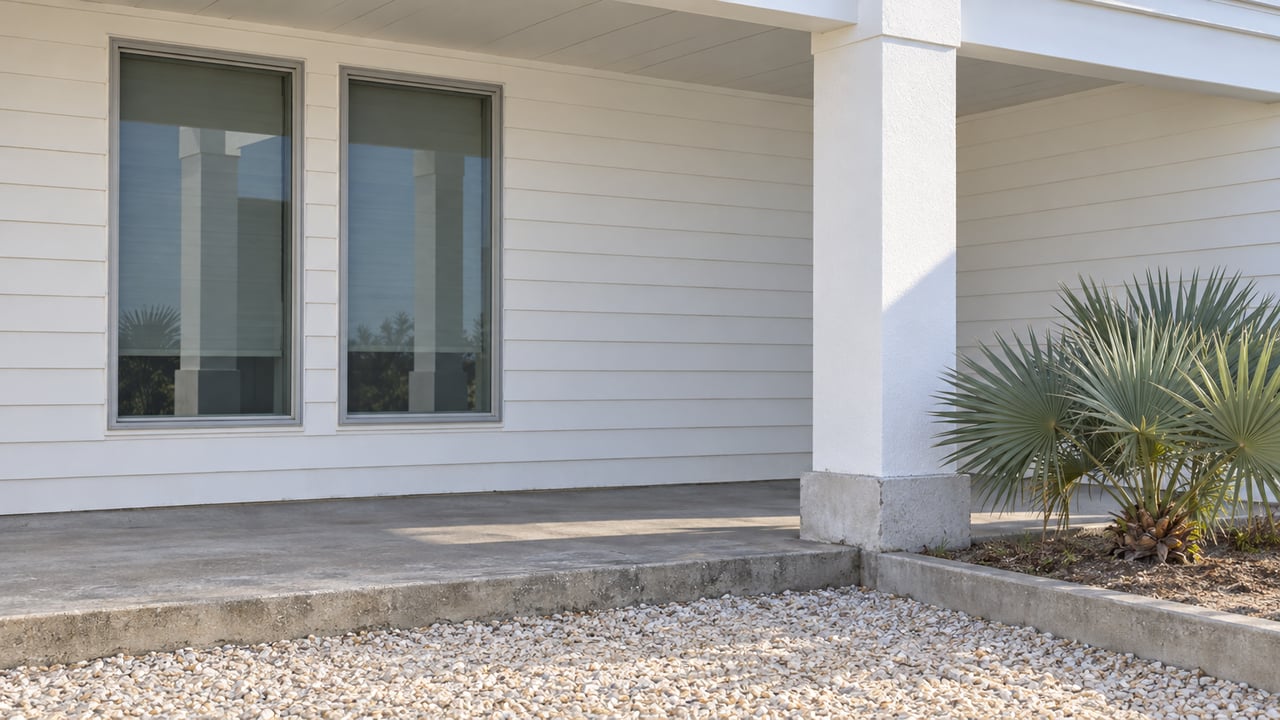
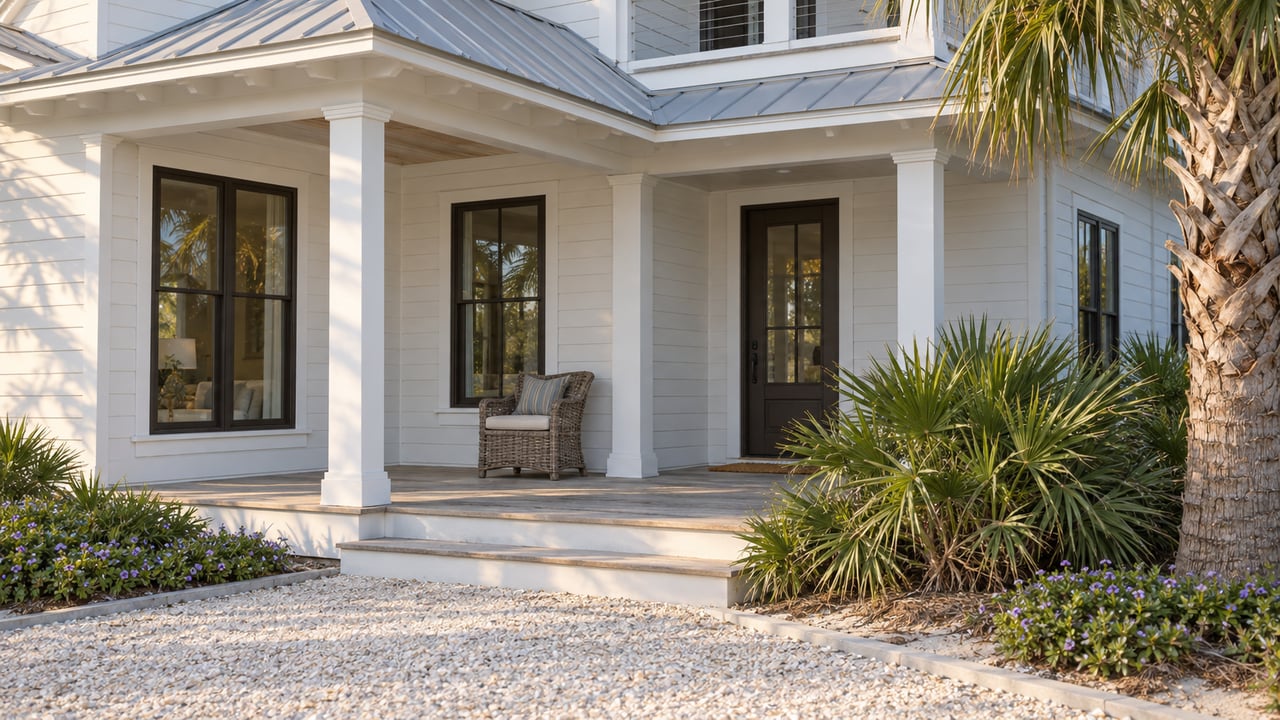
Homes in the Village lean historic or historically inspired. You will see cottages and bungalows with generous porches, plus tasteful renovations and newer infill that respect the streetscape. Lots are typically smaller than suburban standards and closer to the street. Most outdoor living happens on porches, patios, and courtyards rather than large lawns.
If you value character, walkability, and proximity to the beach over square footage and yard size, the Village aligns with that priority. Inventory can be limited, and properties in this setting often command a premium compared to inland or more suburban options.
Market feel and competition
The Village draws buyers who want an authentic island core with easy access to cafés, shoreline, and community activities. Many homes are held as second residences, which can reduce turnover. Competition often rises in peak season when more buyers are in town.
For current pricing, days on market, and detailed comps, you will want local MLS insight and property appraiser records. Expect premium values for in-town and beachfront locations relative to off-island or suburban neighborhoods.
Ownership, maintenance, and renovations
Coastal homes, especially older structures, deserve careful inspection. Roofing, mechanical systems, elevated foundations, and potential termite or wood-rot issues are common topics in this climate. A solid inspection and maintenance plan will pay off over time.
If you are considering a renovation, be mindful of historic character guidelines and local codes that can influence exterior changes and materials. Always check planning and preservation requirements before you design. The goal is to maintain the Village’s fabric while updating homes for today’s needs.
Insurance, taxes, and utilities
Flood and wind coverage are important ownership costs on a barrier island. Premiums vary based on elevation, construction type, mitigation features, and replacement values. Many owners invest in shutters, impact windows, and other upgrades to reduce risk and sometimes achieve better insurance terms.
Property taxes are assessed through county channels, and exemptions depend on your use and status. Utility services can differ from mainland systems, so confirm providers, sewer or septic details, and collection schedules before you buy.
Storms, flood risk, and safety
As a low-lying barrier island, the area is exposed to tropical storms and hurricanes. Flooding, storm surge, and high winds are part of the risk profile. Review FEMA flood maps and local elevation information to understand a property’s specific exposure. Many owners integrate mitigation steps into their long-term plans.
Emergency access depends on the causeway to the mainland, and response times can be different than in-town mainland communities. Evacuation plans are essential, and seasonal readiness is a normal part of life here.
Seasonal rhythms and social life
The Village shifts with the calendar. Winter is lively, with more residents in town, fuller event calendars, and longer business hours. Summer tends to be quieter, with easier reservations and less foot traffic.
If you enjoy a social season, you will appreciate winter’s buzz. If you like tranquility, you will love the shoulder months and summer. Year-round residents value both moods.
Is Village life right for you?
Choose the Village if you want to trade larger lots and garages for walkability, porches, and a historic island setting. It fits buyers who prioritize beach proximity, community spirit, and the ease of moving around by foot, bike, or cart. It may not be ideal if you need large storage spaces, frequent big-box access, or wide driveways for multiple vehicles.
The best approach is to experience both peak season and off-season. You will feel the difference and understand practical details like parking, noise levels, and business hours across the year.
A day in the Historic Village
Picture a simple day. You start with a short walk under the shade trees to a café for coffee and a pastry. After catching up with neighbors on the porch, you stroll a few blocks to the beach for a late-morning swim.
In the afternoon, you hop on a bike to visit a gallery and a specialty shop for dinner ingredients. As the sun dips, you glide in a golf cart to a favorite seafood spot. The evening ends on your front porch, with the sound of boats in the distance and a soft Gulf breeze.
Practical checklist for buyers
- Clarify your lifestyle priorities: walkability, beach proximity, outdoor space, and storage.
- Test mobility options: walk, bike, and drive the streets to gauge parking and access.
- Review flood zones, elevation, and mitigation features for each home you tour.
- Understand insurance options and likely premiums for flood and wind.
- Confirm renovation feasibility with local guidelines before you plan changes.
- Map your mainland routine for groceries, healthcare, and services.
- Visit in both peak season and summer to feel the full rhythm of life.
Next steps and local resources
When you are serious about the Village, line up the details that matter to ownership and value:
- Property data and taxes: Review county appraiser records and tax collector information for assessed values and exemptions.
- Market activity: Request local MLS snapshots to see current inventory and recent sales.
- Flood and elevation: Study FEMA flood designations and consult local floodplain resources to understand site-specific risk.
- Planning and preservation: Check zoning and any historic district guidelines that could affect future renovations.
- Utilities and services: Confirm providers, sewer or septic status, and typical fees.
Ready to see it for yourself?
If the Historic Village’s walkable streets, porch culture, and beach rhythm speak to you, let’s make a plan. With deep local knowledge and a white-glove approach, we will help you compare homes, understand risk and cost, and navigate the seasonal market with confidence. Connect with Melissa “Mel” Csank for tailored guidance and private showings.
Melissa "Mel" Csank | Schedule a Private Consultation
FAQs
Is Boca Grande’s Historic Village practical year-round?
- Yes, many people live year-round, but expect a lively winter season and a quieter summer. Plan for mainland trips for full-service shopping and healthcare.
Do I need a car if I live in the Village?
- You can walk, bike, and use a golf cart for many daily needs, but you will still want a car for mainland errands, medical appointments, and larger shopping trips.
Are insurance costs higher on the island?
- Flood and wind coverage are important and can be higher for coastal and historic homes. Elevation, shutters, and impact windows may help manage risk and costs.
How does historic character affect renovations?
- Exterior changes and materials may be guided by local preservation and planning rules. Always confirm requirements before you design or start work.
Will the Village feel touristy if I live there?
- Visitor activity increases in high season, especially around shops and dining, but community events and the small scale help sustain a strong resident feel.
What about schools and pediatric services on the island?
- Options on the island are limited. Many families use mainland schools and providers. Confirm assignments and transportation with the county school district.