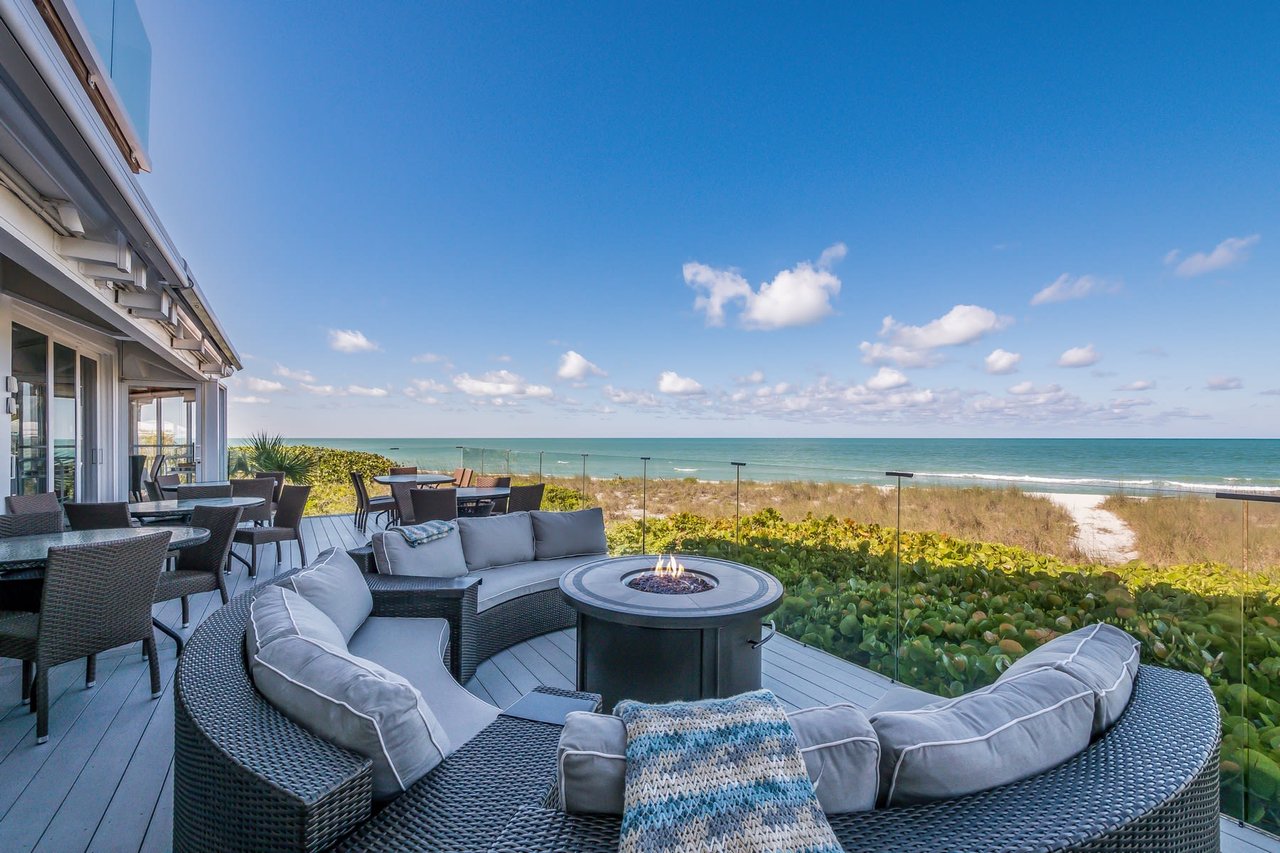
Choosing between Boca Bay with The Pass Club and Boca Grande Club can define your Gulf Coast lifestyle for years. If you split time between Rotonda and the island, you want beach days, boating, and a welcoming social scene that fit your routine and budget. In this guide, you will compare amenities, beach and boating access, member experience, and the key documents to review before you tour. You will also get simple decision tools to help you choose with confidence. Let’s dive in.
Orientation: Rotonda to Boca Grande
Living in Rotonda puts you close to Boca Grande’s clubs and beaches on Gasparilla Island. Access typically involves bridges or a causeway, and seasonal traffic can affect timing for dining, events, and services. Plan your island trips with high season in mind.
You are also on a coast that experiences tropical storms and hurricanes. Flood zones, elevation, and insurance availability are important. Before you focus on lifestyle, plan to verify FEMA flood zones, request elevation certificates where available, and discuss wind and flood coverage with your insurance advisor.
What “fit” means for these two clubs
Both Boca Bay with The Pass Club and Boca Grande Club are known for coastal living and social connection. The main differences many buyers weigh include how they access the beach, where they spend time on the water, and how social programming aligns with seasonal or year-round use. Because membership offerings and rules can change, you will want the latest membership packet and governing documents from each club before you decide.
Amenities and facilities
When you tour, focus on how you actually spend time. Look for:
- Dining: clubhouse dining options, bar seating, reservation policies, and holiday programming.
- Recreation: pool setup, fitness facilities, tennis or pickleball courts, and any spa or wellness services.
- Guest options: whether there are guest rooms or member access programs for visiting family.
- Operations: hours in high season versus summer, and any capital projects on the horizon.
What to verify
- Current amenity map and hours of operation.
- Membership categories, initiation fees, and whether there is a waitlist.
- Whether certain amenities require extra fees or reservations.
- Any planned renovations or special assessments that could affect access or cost.
Beach access and beachfront character
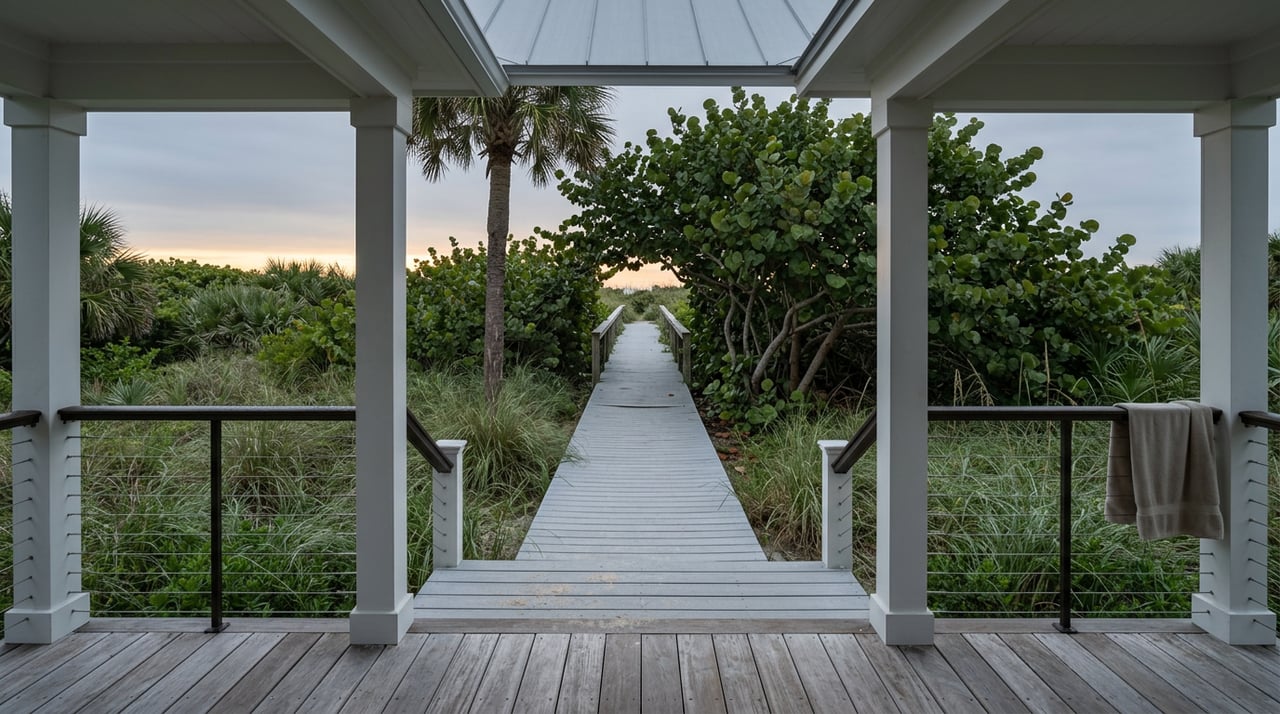
Beach access is often the headline difference for island clubs. When comparing, consider:
- Type of access: deeded or member-only beach areas versus nearby public beach access points.
- Beach conditions: sand width, dune system, and any recent or planned beach projects.
- Practical rules: parking, guest use, and pet restrictions.
What to verify
- The exact location and legal status of beach access, confirmed in property records where applicable.
- Any conservation or renourishment plans that could influence the shoreline experience over time.
- Seasonal policies that affect guest access and parking.
Marina options and boating access
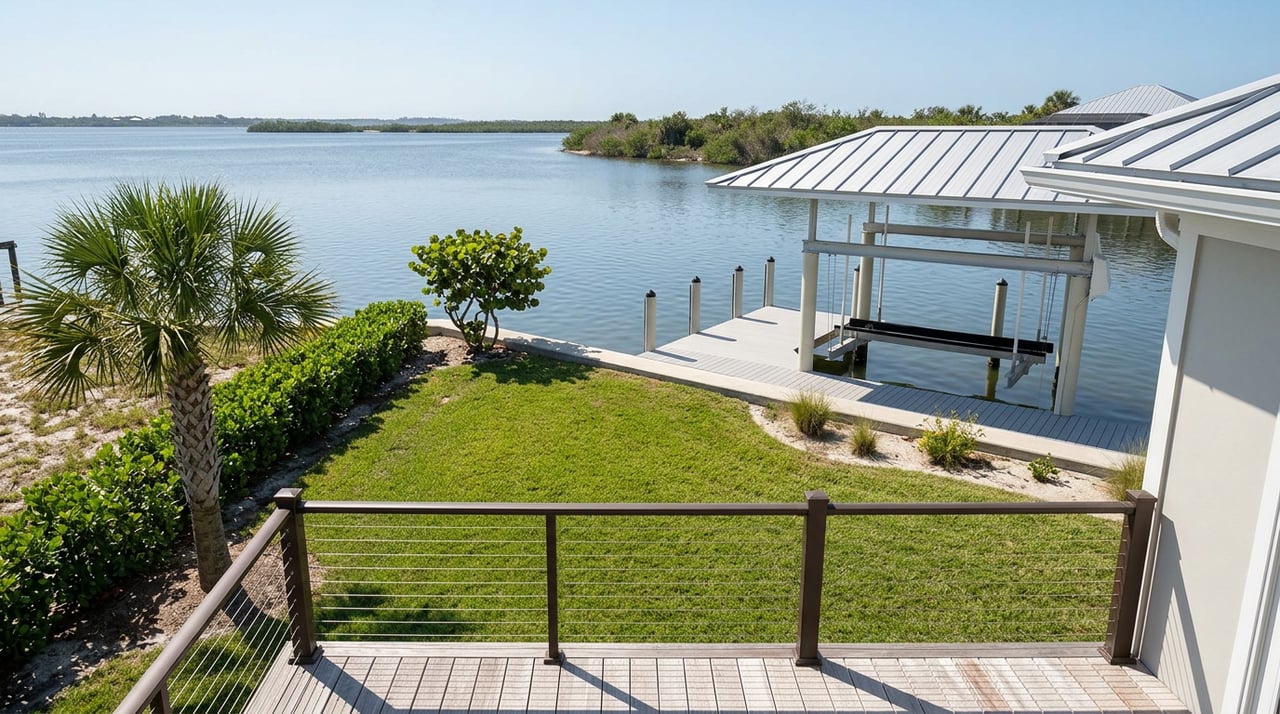
If you are a boater, the details matter. Some buyers prioritize proximity to deep channels, proximity to Boca Grande Pass, and ease of getting to open water. Policies and facilities can vary widely, so take time to understand them.
Consider the following:
- Slips and storage: slip ownership versus rental, waitlists, size limits, and dry storage options.
- Depth and navigation: depth at mean low tide, bridge clearances, and marked channels. The Boca Grande Pass area has deep channels in some parts, but conditions depend on the exact marina location and vessel draft.
- Services: fuel, pump-out, transient dockage, and haul-out or yard access.
What to verify
- Slip documentation, transfer rules, fee structure, and insurance requirements.
- Dredging schedules or permits that could affect access and maintenance.
- Harbor master or marina contact for up-to-date depth charts and policies.
Social scene and community culture
Your social calendar can be just as important as your floor plan. Ask about:
- Event mix: social dinners, holiday events, lectures, sport leagues, and charity functions.
- Seasonality: how active the calendar is from January through April compared to summer and fall.
- Access and reservations: how member priority works when demand is high for dining or courts.
What to verify
- A current social calendar and any signup rules for limited-capacity events.
- Member categories and whether being a property owner changes access or priority.
- Waitlist procedures for membership if demand is high.
Ownership, membership, and total cost
Your budget should capture more than list price. Build a complete picture that includes:
- Membership model: equity versus non-equity, refundability of initiation fees, and transfer rules on resale.
- Dues and assessments: monthly or annual dues, plus any capital or special assessments.
- Property-related costs: HOA fees, property taxes, insurance for wind and flood, and routine maintenance.
- Rental rules: minimum lease periods, approval steps for renters, and guest policies.
Cost checklist
- Initiation fee and dues for your chosen membership category.
- HOA or condo fees, plus reserve and special assessment history.
- Insurance quotes for property and, if relevant, marina requirements for vessel insurance.
- Utilities, landscaping, pest control, and a reserve for unexpected repairs.
Practical living from a Rotonda base
Many Rotonda owners split time between the mainland and the island. Think through:
- Access and timing: how often you will head to the island, and how seasonality affects your routine.
- Services: proximity to groceries, medical care, and airports from both Rotonda and the club location.
- Guests and parking: availability for visiting family during peak periods and any posted rules.
Lifestyle scenarios to help you choose
Use these examples to clarify your priorities. Treat them as starting points, then confirm details during tours.
- Boater focused: You prioritize slip availability, depth at low tide, fuel and pump-out, and quick navigation to open water. Confirm bridge clearances, channel marking, and dredging plans before you commit.
- Beach and family: You want easy beach access, reliable parking, and a comfortable setup for multi-generational visits. Ask about guest rules, seasonal access, and any beach management projects.
- Seasonal socializer: You plan to be active in high season and value a robust calendar. Request the current event schedule, reservation policies, and any member priority rules.
- Investment minded: You want flexibility for rental periods and predictable costs. Review governing documents, rental approval procedures, and the association’s financial statements.
A simple priority checklist
Rank your top five priorities and rate each club against them. Keep it qualitative to start.
- Immediate beach access
- Deepwater boating and marina access
- Social programming and event frequency
- Total carrying cost and assessment history
- Ease of access from Rotonda
Rate each as Excellent, Acceptable, or Not available. You can refine later with a numeric score.
A weighted decision matrix
If you want a more objective score, assign weights that total 100 to the criteria that matter most. For example:
- Marina and boating: 25
- Beach access: 20
- Cost to own: 20
- Social scene: 15
- Commute and convenience: 10
- Governance and rental rules: 10
Score each club from 1 to 10 on each criterion based on what you verify, multiply by the weight, then add the totals. This helps you see tradeoffs clearly.
Due diligence before you tour
Collect documents early so your tour time is focused and productive.
- Governing documents: bylaws, CC&Rs, membership agreements, and house rules.
- Financials: most recent audited financials, operating budget, reserve study, and delinquency rate.
- Meeting minutes: 12 to 24 months to spot assessments or policy changes.
- Membership details: categories, initiation fees, waitlist process, and membership caps.
- Slip information: deeds or lease terms, transferability, size and depth charts, maintenance responsibilities.
- Property records: title commitment, survey, recent tax bills, and any elevation certificate.
- Insurance and risk: summaries of association insurance, and examples of required homeowner or vessel policies.
- Environmental and permitting: dredging permits and any beach or coastal construction constraints.
- Local ordinances: short-term rental rules and any relevant noise or boat operation rules.
On-site questions that reveal fit
Bring this list when you tour.
- Which amenities require reservations or extra fees?
- Are there planned capital projects or special assessments in the next 12 to 24 months?
- How is priority managed for dining, courts, or limited-capacity events in high season?
- For marinas: what is the average wait time for a slip of a given size, and are dry stack options available?
- What are typical monthly or annual costs for a comparable property and membership package?
- Are there restrictions on exterior modifications, home rental, or transient boats?
- What is the recent resale pace for properties tied to club membership?
Risk, insurance, and coastal realities
Plan for coastal weather and insurance market dynamics. Review FEMA flood zones, request or order an elevation certificate, and ask for example policies that meet club or HOA requirements. Include wind and flood coverage in your budget, and consider claims history as you compare options.
Your next steps
- Request membership packets and current fee schedules for both clubs.
- Schedule a guided tour that includes amenities and, if boating matters, a marina visit at both high and low tide.
- Order key documents early, then build contingencies into any offer for document review, membership approval, and slip confirmation.
If you want a knowledgeable, concierge approach to tours and due diligence, connect with Melissa "Mel" Csank. You will get local guidance, discreet coordination, and a clear path from first look to closing.
FAQs
What is the core difference between these two clubs?
- Boca Bay with The Pass Club and Boca Grande Club offer distinct lifestyle anchors, often centered on how you access the beach and the water. Confirm exact amenity access, membership categories, and beach or marina details with each club before you decide.
Can I live in Rotonda and join an island club?
- Membership models vary by club and can include caps or waitlists. Ask each membership office about current categories, eligibility, and timing, then plan your purchase timeline accordingly.
How do hurricanes and flood zones affect buying near Boca Grande?
- The area is in a tropical storm and hurricane zone. Verify FEMA flood zones, request elevation certificates, and get wind and flood insurance quotes early so you understand both risk and total cost.
What should boaters verify before choosing a club?
- Confirm slip availability and size, waitlists, depth at mean low tide, bridge clearances, fuel and pump-out services, and any dredging plans. Review slip deeds or leases and transfer rules in writing.
Are short-term rentals allowed in these communities?
- Rental policies and minimum lease periods are set by the HOA or club and may be affected by local ordinances. Request governing documents and confirm approval processes for renters or guests.
How do I estimate annual carrying costs for a club property?
- Include property taxes, wind and flood insurance, HOA or condo fees, club dues and initiation, utilities, landscaping, pest control, marina fees if relevant, and a reserve for special assessments or capital work.