Thinking about a second home on Boca Grande Isles or Shore Lane? The setting is world class, but coastal insurance can feel complex the first time you run quotes. You want the right protection for wind, water, and liability without overpaying. This guide explains the essentials you need to know before you buy, sell, or renew, so you can insure with confidence and enjoy your time on the island. Let’s dive in.
What your policy should cover
Most homeowners policies include several core parts. You will review them closely for a waterfront or near-water property.
- Dwelling coverage covers the structure up to your selected limit, usually on a replacement-cost basis.
- Other structures can include detached garages and sometimes docks or seawalls, but limits and exclusions vary.
- Personal property covers contents and household goods. High-value items often need to be scheduled.
- Loss of use helps with additional living expenses if a covered loss makes the home uninhabitable.
- Personal liability and medical payments protect you if someone is injured on the property. This is especially important when you have docks, boats, or guests.
Coastal add-ons to consider
Coastal second homes often need a few extra protections.
- Windstorm or hurricane coverage is usually part of a Florida policy but may have a separate hurricane or named-storm deductible. Some homes use a separate wind-only policy.
- Flood insurance is a separate policy. Standard homeowners insurance excludes flood and storm surge. Check your flood zone and options through the FEMA Flood Map Service Center and learn program basics at FEMA’s NFIP page.
- Ordinance or law coverage helps pay to rebuild to current building code after a covered loss, which matters when codes change.
- Water backup endorsements can help with sewer or stormwater backup.
- Sinkhole coverage may be available by endorsement.
- Valuable articles scheduling is smart for art, jewelry, and specialty gear.
- Rental or vacancy endorsements can be required if you plan short-term rentals or extended periods of vacancy.
Common gaps to watch
- Flood and storm surge are excluded from standard homeowners policies.
- Docks, seawalls, and boat lifts may have limited or excluded coverage unless properly endorsed.
- Some policies limit roof coverage, or treat wind-driven rain differently.
- Vacancy clauses can restrict or cancel coverage after a set number of days.
Hurricane and wind deductibles: how they work
Hurricane deductibles can significantly change your out-of-pocket costs after a storm. In coastal Florida, these often appear as a percentage of your dwelling limit.
- Percentage hurricane deductible is commonly 1 to 10 percent of the dwelling limit. Many owners choose 2 or 5 percent. A 5 percent deductible on a 1,000,000 dollar dwelling equals 50,000 dollars before insurance pays.
- Flat hurricane deductible is sometimes offered, such as 5,000 dollars, but can be less common for high-risk properties.
- All-perils deductible is a separate, smaller flat amount for non-hurricane losses.
- Separate wind deductible may apply in some policies, even if a storm is not named.
When hurricane deductibles trigger
Most policies use a named-storm or hurricane trigger defined by the policy. The trigger often references the National Hurricane Center designation and a time window around the event. Ask your insurer to explain the exact trigger and time frame in writing. Many policies treat multiple losses from the same declared storm as one event with one hurricane deductible.
Choosing the right deductible
Second homes are often vacant. That means you should think carefully about cash on hand for repairs after a storm. Discuss escrowed emergency funds or catastrophe financing. Ask how deductibles apply to other structures and contents so there are no surprises.
Flood insurance facts for Boca Grande
Flood is a separate policy from homeowners insurance, and it covers rising water and storm surge. NFIP policies have historically offered a maximum building limit of 250,000 dollars for residential buildings, with contents limits as well. Private flood insurers may offer higher limits at some addresses, subject to underwriting. You can explore flood program details at FEMA’s NFIP page.
On Boca Grande Isles and Shore Lane, location and elevation matter. Homes in V or VE zones face higher wave action risk and often higher premiums. AE zones are also considered special flood hazard areas. Check your property’s zone and Base Flood Elevation at the FEMA Flood Map Service Center. An Elevation Certificate is very helpful for accurate rating and may be required.
What drives premiums in Boca Grande Isles and Shore Lane
Several factors push premiums up or down for island second homes.
- Location and hazard: Flood zone, proximity to open Gulf waters, and exposure to storm surge and prevailing tracks all affect pricing. Being below the local Base Flood Elevation can increase flood costs.
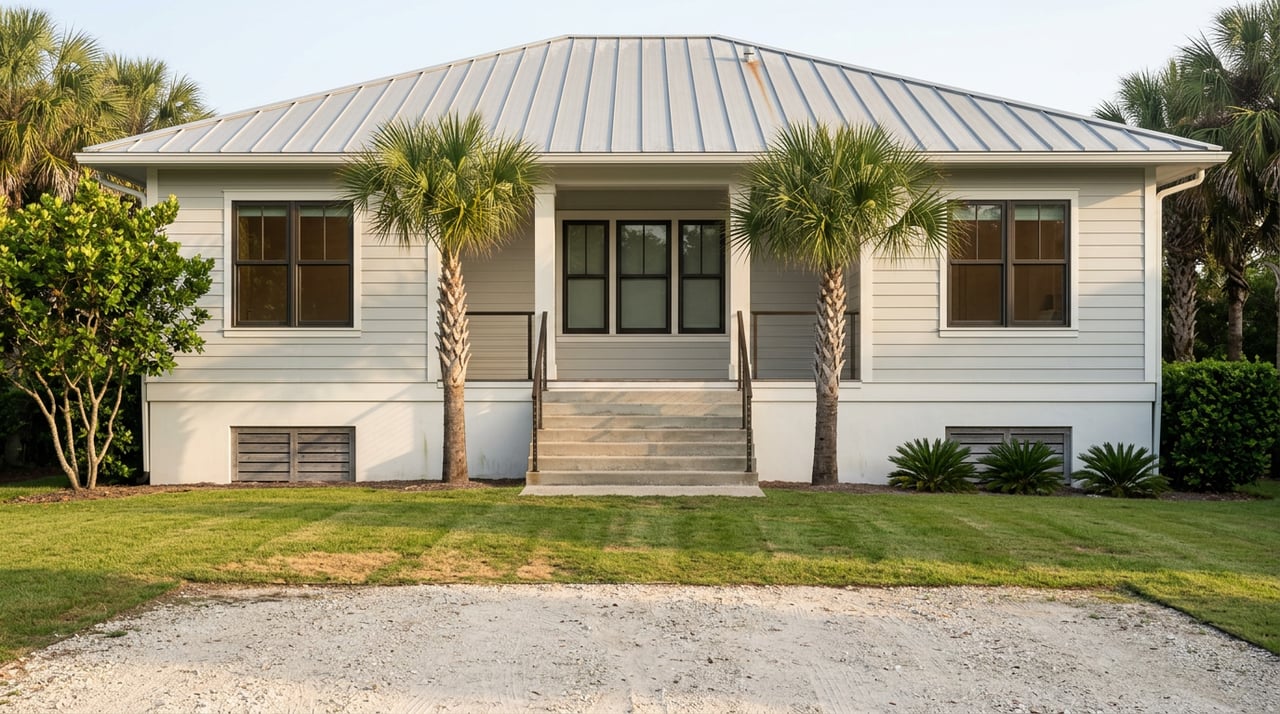
- Construction: Year built, roof age and type, roof-to-wall connections, impact-rated openings, and foundation elevation matter. Documented wind mitigation features can earn credits. See mitigation guidance from IBHS.
- Occupancy and use: Seasonal use and vacancy increase risk. Short-term rentals can require special endorsements and higher liability limits. Regular inspections by a caretaker can help.
- Claims history and condition: Prior wind or water claims, deferred maintenance, or an older roof can raise premiums or limit availability.
- Market and regulation: Florida’s coastal markets have seen insurer exits and reinsurance cost pressure. Some properties may need Citizens or surplus-lines carriers. Learn more at Citizens Property Insurance and the Florida Office of Insurance Regulation.
- Flood specifics: NFIP rating depends on zone and elevation. Private flood options can differ by address and risk profile.
Checklist before you get quotes
Gather these items to streamline underwriting and improve pricing clarity.
- Property address and legal description, plus recent appraisal or replacement-cost estimate.
- Current policy declarations, if available.
- Roof details: type, installation date, permits, photos.
- Wind mitigation inspection or certificate to capture credits.
- Elevation Certificate if in or near a flood zone.
- Prior insurance claims history and any inspection or engineering reports.
- Photos or video of the home, including seawall, dock, and lifts.
- Planned occupancy: personal use, vacancy periods, and any short-term rental schedule.
Key questions for your insurance professional
- Which perils are covered or excluded, and is wind included or separate?
- How does the hurricane or named-storm deductible trigger, and is it percentage or flat?
- NFIP versus private flood: what limits and pricing are available for this address?
- What wind mitigation credits are available based on my inspection?
- How do vacancy clauses work for second homes?
- What are the limits or exclusions for docks, seawalls, and boat lifts?
- How are claims handled after a storm and is there local adjuster support?
- Will prior claims affect eligibility or price?
Local resources to use
- Look up your flood zone and Base Flood Elevation at the FEMA Flood Map Service Center.
- Review flood insurance options at FEMA’s NFIP page.
- Check availability and consumer guidance at Citizens Property Insurance.
- See market bulletins and deductible FAQs at the Florida Office of Insurance Regulation.
- Explore mitigation standards with IBHS.
- Contact the county building department, floodplain manager, and property appraiser for permits, elevation data, and parcel records.
Smart next steps for buyers and sellers
- Pull your address on FEMA maps and obtain an Elevation Certificate if applicable.
- Order a wind mitigation inspection and share the results to capture credits.
- Collect roof documentation, photos, and permit history before quoting.
- Ask for multiple quotes from coastal specialists and compare hurricane deductibles, especially 2 percent versus 5 percent scenarios.
- Compare NFIP and private flood options to match your required limits.
- Be transparent about occupancy and any short-term rental use to ensure claims are protected.
- If standard carriers decline, discuss surplus-lines placement and how it differs from admitted carriers.
If you are weighing a purchase or preparing to list on Boca Grande Isles or Shore Lane, you do not have to navigate this alone. For local guidance on property features that impact insurance and value, connect with Melissa "Mel" Csank to align your purchase or sale with the right coverage strategy.
FAQs
Do I need flood insurance if I am not in a high-risk zone in Boca Grande?
- Standard homeowners policies exclude flood, and NFIP or private flood coverage can still be a smart safeguard depending on your elevation and proximity to water.
How large should my hurricane deductible be for a second home?
- Many coastal policies offer 1 to 10 percent deductibles, with 2 or 5 percent common, so run the math on your dwelling limit and choose an amount you can comfortably pay after a storm.
Are docks, seawalls, and boat lifts covered by standard policies?
- Coverage can be limited or excluded without endorsements, so ask for written details and specific limits for these structures.
Can I short-term rent my Boca Grande second home and keep coverage?
- Some insurers allow it with the right endorsements and liability limits, but terms vary and misrepresentation can jeopardize claims.
Where can I check my flood zone and elevation before quoting?
- Use the FEMA Flood Map Service Center for flood zone and BFE, and obtain an Elevation Certificate to improve rating accuracy.