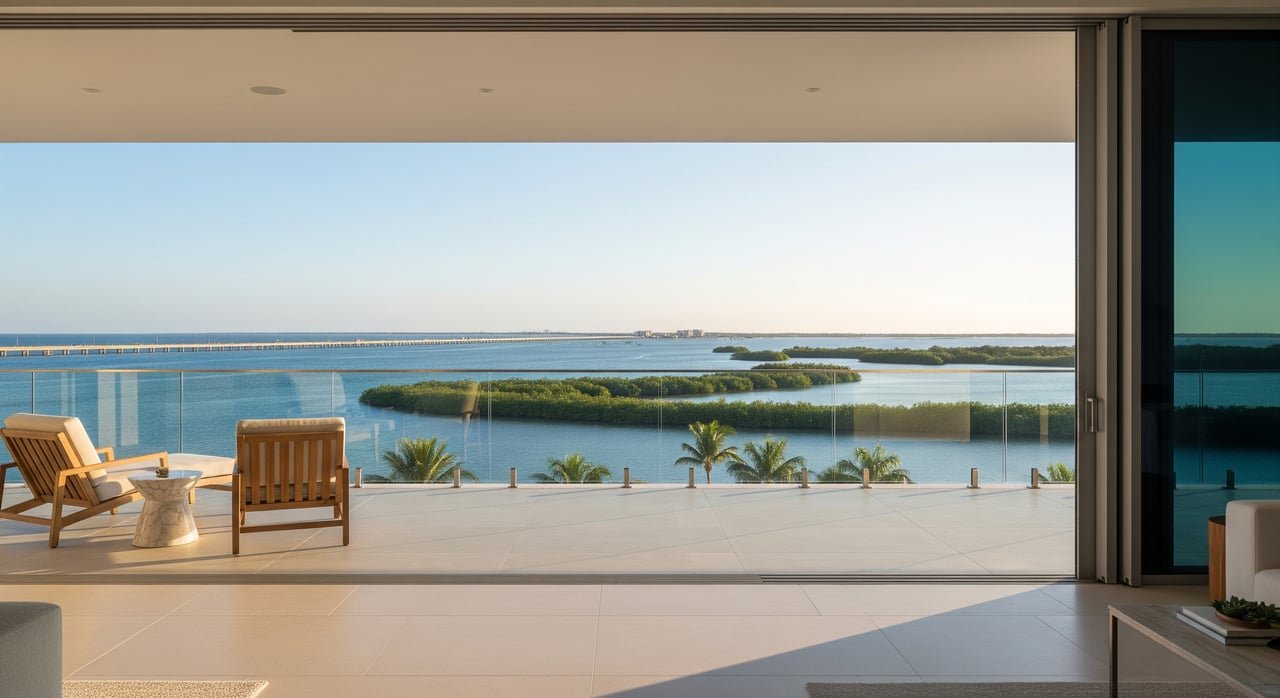
Eyeing a Boca Grande or Placida condo and hearing a lot about Florida’s “milestone inspections”? You’re not alone. Buyers across Charlotte County are trying to understand what these engineer-led building checks mean for safety, insurance, and potential assessments. In this guide, you’ll learn what milestone inspections are, why they matter on the coast, which documents to request, and how to spot red flags before you commit. Let’s dive in.
What milestone inspections mean in Florida
Milestone inspections are periodic, engineer-conducted evaluations of a condominium or cooperative building’s structural and life-safety components. Florida accelerated these requirements after the Surfside tragedy to help associations identify deterioration and plan repairs before issues become urgent.
The inspection schedule generally begins when a building reaches a defined age, then repeats at set intervals. In many summaries, the initial milestone is around 30 years for certain building heights, followed by reinspection about every 10 years. Local rules and building height can change timelines, so you should always verify current statutes and county guidance. The most important step for you is simple: request the actual inspection report and any follow-up engineer documentation.
Milestone inspections often lead to repair plans and budgets. Associations may address needs using reserves, operating funds, or special assessments. This is where buyer due diligence becomes essential.
Why they matter in Boca Grande and Placida
On Gasparilla Island and in Placida, many condominiums sit close to the Gulf or bays. Salt air, high humidity, and marine conditions accelerate concrete spalling, rebar corrosion, and building envelope wear compared with inland properties. Even well-maintained buildings need consistent waterproofing, painting, and balcony care.
Coastal storm and flood exposure can also influence maintenance and insurance costs. Flood zone status and elevation affect coverage requirements and premiums. In Florida’s evolving insurance market, master policy pricing and deductibles can shift quickly. When reserves are thin, rising premiums or unplanned repairs can result in special assessments.
Island logistics can add cost and time to projects. When concrete restoration, roof replacement, or elevator work is needed, access and mobilization can be more complex. That is why you should review inspection findings, reserves, and insurance details before you buy.
Documents to request early
Ask your agent to help you secure these association records as soon as you go under contract, or even before you write an offer:
- Resale certificate or estoppel letter showing current assessments and fees
- Most recent budget and financial statements for the past 2–3 years
- Reserve study and written reserve funding plan
- Milestone inspection report(s), any follow-up engineer reports, bids, and repair timelines
- Board and annual meeting minutes for the past 12–24 months
- Insurance declarations: master policy, limits, deductibles, and any flood insurance; ask about claims history
- Notices of special assessments (past and planned) and assessment collection policies
- Pending litigation list and any major case records
- Planned capital projects, vendor contracts, and recent permit history
- Governing documents: Declaration, Bylaws, Rules, and voting records for any reserve funding waivers
- County building permit and inspection history
Many buyers focus on dues and forget the rest. The goal is to confirm the building’s condition, the association’s plan, and how costs will be covered.
How to read the key reports
Milestone inspection report
Look for recommended repairs, priority levels, estimated costs, and timelines. Note whether the association has obtained contractor bids, selected a project manager, and applied for permits. If the report recommends urgent or near-term work, ask how funding will be handled and when owners will be assessed.
Reserve study vs. reserve balance
Compare the reserve study’s recommended fund balance and annual contributions to what the association actually has and budgets. A large gap between the recommended level and current reserves indicates a higher risk of special assessments. Also check if owners recently voted to reduce or waive reserves and whether that aligns with upcoming repair needs.
Budget and operating statements
Review whether reserves are being transferred into operating accounts to cover shortfalls. Repeated transfers, unusually low reserve contributions, or chronic deficits are caution flags. Stable budgeting with regular reserve funding is a healthier sign.
Insurance coverage
Study the association’s master policy limits, deductibles, and exclusions. Large deductibles or gaps in wind or flood coverage can expose owners to assessments after a storm. Ask whether premiums increased recently and whether the association is considering policy changes or additional assessments to address costs.
Meeting minutes and litigation
Minutes often reveal the real story behind line items. Look for repeated mentions of deferred maintenance, unresolved vendor disputes, or delays after engineer recommendations. If litigation is disclosed, ask for details and how the association plans to fund any settlement or repairs.
Permits and project plans
For communities like Boca Grande Club and nearby Placida condos, it is common to see painting, balcony waterproofing, roofing, or concrete restoration cycles. Verify what has been completed recently and what is planned next. Check permit status and anticipated timelines so you understand when construction might affect access or rental plans.
Practical signals to watch
- Reserve balance is less than half of the recommended level in the reserve study
- Multiple large special assessments over recent years
- Minimal annual reserve contributions despite an engineer noting upcoming projects
- Very high insurance deductibles or reduced coverage options
- Urgent repair items in a milestone report without a funding plan or schedule
Red flags that deserve extra scrutiny
- No milestone inspection on file for a building close to or past the typical inspection age
- Reports listing priority structural work without bids, financing details, or a clear timeline
- Evidence of reserve funds used to cover operating expenses
- Difficulty obtaining insurance or major coverage gaps
- Litigation related to structural defects or life-safety issues
- Lack of transparency or delayed document delivery from the association
If you see any of these, consider elevating your review with a condominium attorney and a structural engineer who understands coastal buildings.
Smart questions to ask
- When was the last milestone inspection, and can you provide the full report?
- Which recommendations are funded and scheduled? Do you have bids, contracts, or permits?
- What is the current reserve balance, and how does it compare to the reserve study’s recommendations?
- Are there pending or recent special assessments? For what scope and amount?
- Has the master insurance premium or deductible changed materially in the past year?
- Is there any ongoing litigation, code enforcement, or compliance action affecting the building?
Cost and strategy: who pays and how to plan
If repairs are required, the association typically pays using reserves, operating funds, or through special assessments charged to owners. The governing documents and Florida law outline how assessments are calculated and collected. For you as a buyer, the key is understanding timing and cost.
If a report indicates major work, you can negotiate. Options include price adjustments, seller-paid assessments at closing, or a requirement that certain repairs be completed before settlement. For complex findings, consult a condo attorney and, if needed, an independent structural engineer to validate scope and costs.
Also model your total monthly cost: mortgage or cash allocation plus dues, likely assessments, and insurance. Compare that to alternatives on and off the island so you can buy with confidence.
A simple due diligence plan
- Request the association resale certificate and full document set early in your contingency period.
- Review the milestone inspection, reserve study, budget, and insurance declarations first. These shape most future costs.
- Scan meeting minutes for decisions, delays, or changing bids tied to the inspection.
- If major work is flagged, engage an attorney and a structural engineer to review reports and estimates.
- Confirm permit status and project logistics that may affect access, timelines, or rentals.
- Ask how assessments will be structured and whether financing is planned by the association.
- Check FEMA flood maps and elevation information, then confirm the master policy’s wind and flood coverage.
- Run a conservative cost model that includes potential assessment payments.
With the right information and experts, you can enjoy the Boca Grande lifestyle while protecting your investment. The goal is not to avoid buildings with repairs, but to understand scope, timing, and funding so there are no surprises.
If you would like a calm, clear partner to help you evaluate documents and strategy, schedule a conversation with Melissa "Mel" Csank. You will get local insight, white-glove coordination, and a straightforward plan from offer to closing.
FAQs
What is a condo milestone inspection in Florida?
- It is a periodic, engineer-led evaluation of a building’s structural and life-safety systems that helps associations identify deterioration and plan repairs and funding.
When do milestone inspections typically occur?
- Many summaries reference an initial inspection around a building’s 30-year mark for certain heights, with reinspection about every 10 years; verify current state and county rules.
Why are milestone inspections important in Boca Grande and Placida?
- Coastal conditions accelerate concrete and envelope wear, and island logistics can raise project costs, so inspections and strong reserves help prevent urgent, expensive surprises.
What documents should I review before buying a condo?
- Request the milestone report, reserve study, budgets and financials, insurance declarations, meeting minutes, litigation summaries, special assessment notices, and permit history.
Who pays for repairs identified in a milestone report?
- The association covers costs using reserves, operating funds, or special assessments charged to owners according to the governing documents and Florida law.
How can I tell if a condo association’s reserves are healthy?
- Compare the reserve balance and annual contributions to the reserve study’s recommendations; large gaps or repeated special assessments are warning signs.
Can an association reduce or waive reserves?
- In many cases owners can vote to reduce or waive reserves, but that increases the likelihood of future special assessments; review voting records and current statutes.
What should I do if the report shows major repairs?
- Do not panic; consult a condo attorney and a structural engineer, request bids and timelines, and consider negotiating price or seller-paid assessments before closing.