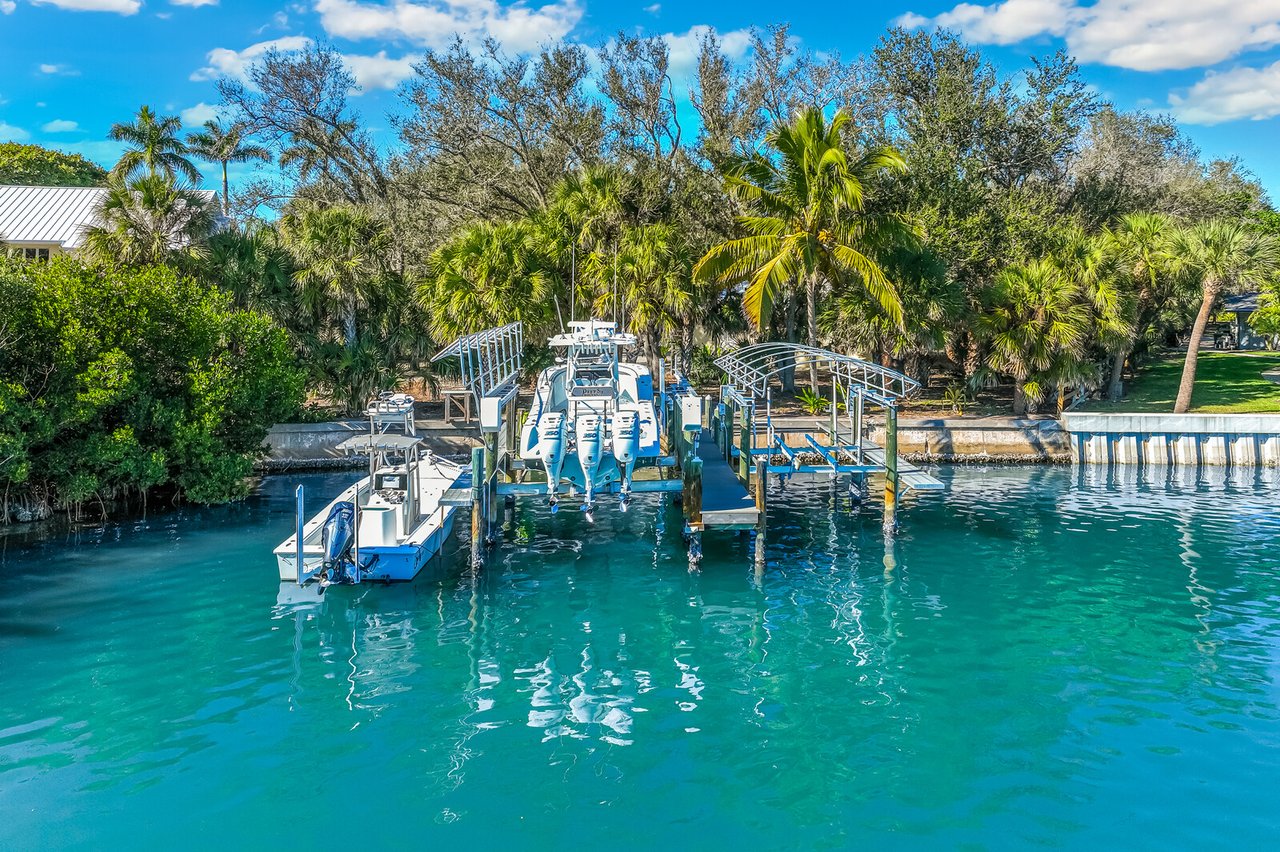
If your perfect day starts on the water, Cape Haze in 33946 is built for you. Tucked between Gasparilla Sound and Charlotte Harbor with a quick connection to the Gulf, this pocket of Florida rewards both quiet back-bay cruising and serious offshore adventure. Whether you picture sunrise tarpon runs or family shelling days on a barrier island, you will find easy access, capable marinas, and homes that fit a boater’s life. In this guide, you will learn where you can go, how to launch, what rules matter, and what to consider when buying a waterfront property. Let’s dive in.
Why Cape Haze works for boaters
Cape Haze sits at the north end of Placida Harbor and Gasparilla Sound, a sheltered estuary that links quickly to Charlotte Harbor and the Gulf of Mexico through Boca Grande Pass. The protected waters make for relaxed cruising, while the nearby inlet offers efficient Gulf access when weather allows. According to regional aquatic preserve planning, Boca Grande Pass is the primary deep-water gateway for this area and part of an ecologically significant estuarine system with strong tidal exchange. You get varied boating in a compact radius, from mangrove creeks to open Gulf. Planning documents for the Charlotte Harbor aquatic preserves outline this network and its resources.
Where you can go by boat
Core waterways and the pass
Your immediate playground includes Gasparilla Sound, Placida Harbor, and Charlotte Harbor. These waters lead to the Gulf through Boca Grande Pass, a deep channel that reaches over 70 feet in places and sees significant currents, especially in season. Local sources treat the pass as the primary Gulf exit for Placida and Cape Haze marinas. The area is busy in spring and early summer, so plan your route and timing with care using current charts and tide information, and consult local captains when in doubt. The aquatic preserve planning report notes both the depth and the tidal character of this system.
Favorite island day trips
Short, scenic runs put you on some of Southwest Florida’s best beaches. Little Gasparilla, Palm Island, and Don Pedro Island State Park are popular for beaching and shelling. Cayo Costa is a standout for its natural shoreline and low-key vibe. It is park-managed and accessible by private boat or concession ferry when available. Check schedules and fees before you go. Learn more about visiting Cayo Costa State Park. Many boaters also make quick stops at Stump Pass and Manasota Key for sandbar time and sunsets.
Marinas and ramps near 33946
Cape Haze and Placida offer a practical mix of full-service marinas, dry storage, and public ramps, which makes life easier whether you keep a boat on a lift, in a rack, or on a trailer.
Full-service marinas
- Cape Haze Marina. A local, full-service hub with wet slips, indoor and outdoor dry storage, fuel, and guest amenities. Call ahead for current slip availability, service capacity, and storage options. Explore Cape Haze Marina.
- Other nearby options. The region includes additional marinas and dry-stack facilities that serve inshore and offshore boaters. If you need deep-water berthing or larger-boat service, confirm lift capacities, fuel availability, and transient policies directly with each facility.
Public ramps and island access
- Eldred’s Marina. Located near the Boca Grande Causeway, Eldred’s is a local staging point with a public ramp where many water taxis and day-boat operations load. The Florida Boating and Angling Guide lists Eldred’s as a surveyed ramp. See the FWC guide page for Eldred’s Marina.
- Placida Park. Charlotte County maintains a public ramp at the east end of the Boca Grande Causeway. It is a convenient launch for day trips to nearby islands. Check county updates on hours and parking. Review Placida Park details.
Read-before-you-go tips
- Check current NOAA charts and the FWC Boating and Angling Guide before each trip.
- Talk with a local harbormaster about markers, shoaling, and tide timing if you are new to Boca Grande Pass.
- Expect strong currents in the pass, especially during peak spring and summer activity.
- Carry proper safety gear and monitor weather, wind, and visibility.
Seasons, wildlife, and rules
Tarpon season basics
Boca Grande Pass is an internationally known tarpon destination and sees its peak effort in spring and early summer. Many guides operate from Gasparilla Sound and the Placida area and center their trips around the pass and adjacent Gulf waters. The Boca Grande Guides Association highlights the fishery’s character and seasonal focus.
Boca Grande Pass fishing rules
Boca Grande Pass has special gear and fishing restrictions designed to protect the fishery and reduce conflicts in a high-use area. Rules address weighted gear and line use, with additional limits that apply during April through June. Always review the exact language before you fish the pass. See Florida Administrative Code for Boca Grande Pass gear rules.
Tarpon protections statewide
Tarpon are managed with strict protections in Florida, with a strong focus on catch and release. Limited exceptions exist through the tarpon tag program. Before you target tarpon, confirm license requirements, possession rules, and any seasonal changes with the Florida Fish and Wildlife Conservation Commission. Start with the FWC’s tarpon regulations and rulemaking overview.
Stewardship on sensitive waters
Charlotte Harbor and Cape Haze include seagrass beds, mangroves, and aquatic preserves. You will see manatee protection zones, no-wake areas, and anchoring guidelines in sensitive habitats. Operate at slow speeds where posted, avoid running or anchoring on seagrass, and respect wildlife viewing distances. The Charlotte Harbor aquatic preserves plan outlines resource priorities and why careful boating matters here.
Homes that fit boaters
You have several property paths that support an active boating lifestyle. The right choice depends on your vessel, draft, storage preferences, and how often you head offshore.
- Canal-front homes with private docks. Many Cape Haze and Placida canal systems work well for bay boats and center consoles, especially when draft is modest and tides cooperate. Depth varies by subdivision. Verify navigable water at your specific lot before you buy.
- Bay or harborfront properties. Lots that face Placida Harbor or similar open water can offer deeper water near the dock and more direct access without transiting long canal networks. If you run a larger boat or plan frequent Gulf trips, this configuration can be appealing.
- Community basins and marina slips. Some communities offer shared slips or private basins. You can also combine an off-water home with marina dry-stack or a leased slip. Confirm HOA rules, guest policies, and any rental or charter restrictions.
Permits, docks, and flood planning
Marine construction and in-water work usually require local, state, and federal review. Expect permits for new docks, seawalls, or dredging, and plan for listed-species and shoreline considerations in the process. Charlotte County provides an overview in its environmental materials. Read the county’s environmental review brochure for permitting basics and contacts.
Waterfront properties often sit in FEMA flood hazard zones. Insurance costs and requirements can vary with current maps, Letters of Map Amendment or Revision, and your elevation certificate. Before you write an offer, check official mapping and speak with your insurer. Use the FEMA Flood Map Service Center to confirm your zone and get the latest data.
Quick buyer checklist
- Confirm navigable depth at the dock or site and discuss your boat’s draft with a local harbormaster. Start by calling a trusted facility like Cape Haze Marina.
- Request recent seawall and dock reports and ask for permit history. See the county’s environmental brochure for process insights.
- Verify HOA or deed restrictions for docks, slips, and rentals before you plan improvements.
- Check your FEMA flood zone, elevation certificate needs, and likely insurance costs using the FEMA Flood Map Service Center.
- Decide where you will store the boat and confirm availability, costs, and waitlists at your preferred marina.
Sample days on the water
Early-morning tarpon chase
Launch at a Cape Haze or Placida marina before first light and run to Boca Grande Pass with an experienced local captain during spring or early summer. Mind boat etiquette, keep safe spacing, and follow all seasonal rules in the pass. Take a late-morning break in Gasparilla Sound before heading back to your slip. For a sense of the fishery’s rhythm, browse the Boca Grande Guides Association.
Family beach and shelling day
Pick a calm, clear morning and cruise to Cayo Costa or Don Pedro Island State Park. Pack a picnic, beach shade, and plenty of water. Monitor the afternoon sea breeze and tide for your return window and avoid running over seagrass in shallow areas. Review visiting details for Cayo Costa State Park before you go.
Scenic sunset cruise
Ease out into Gasparilla Sound and Charlotte Harbor for a slow sunset circuit. Watch for dolphins and shorebirds along the mangrove edges. Return to your marina slip for an easy dockside dinner. If you are new to the area, call your harbormaster for the latest on markers, shoaling, and evening traffic.
Is Cape Haze right for your boat?
If you value short runs to island beaches, protected back-bays, and a clear path to the Gulf, Cape Haze checks all the boxes. The marina network is practical, the public ramps are well placed, and the home options span canal-front convenience to open-water views. With a little planning and the right guidance, you can make this lifestyle your day-to-day reality.
Ready to align your property search with your boating plans? Connect for local, on-the-water insight and a curated tour of homes that fit your vessel and routine. Reach out to Melissa "Mel" Csank to schedule a private consultation.
FAQs
What makes Cape Haze a strong boating base?
- You get sheltered estuary cruising in Gasparilla Sound and quick Gulf access through deep Boca Grande Pass, all within a compact local network.
Where can I launch a boat in 33946?
- Eldred’s Marina and Charlotte County’s Placida Park both offer public ramps near the Boca Grande Causeway, with details available on their respective pages.
When is tarpon fishing most active in Boca Grande Pass?
- Peak tarpon activity and guide effort typically concentrate in spring and early summer, when the pass sees heavy seasonal traffic.
Are there special fishing rules in Boca Grande Pass?
- Yes, the pass has specific gear and seasonal restrictions under Florida Administrative Code that you should review before fishing.
How should I navigate pass currents and traffic safely?
- Check tides and weather, maintain safe distances, monitor VHF, and consult local captains or your harbormaster for timing and etiquette.
What waterfront home types work best for boaters?
- Canal-front homes often suit bay boats with modest draft, while bay or harborfront lots and marina slips are better for deeper-draft or larger vessels.
Do I need permits to build or repair a dock or seawall?
- Most in-water work requires permits and environmental review at the county, state, and sometimes federal level, so plan timelines accordingly.
How do I check flood risk before I buy?
- Use the FEMA Flood Map Service Center to confirm your flood zone and discuss elevation and insurance with your insurer and local experts.