If a $7 million home sells for $6 million, did the seller misjudge the price? In most neighborhoods, yes. A double-digit gap between list and sale price usually means a seller aimed too high, buyers pushed back, and the market corrected. That is how price discovery works when there is enough volume to discover anything.
Boca Grande Isles does not have that volume. Over the trailing twelve months, as of January 2026, the community recorded five home sales. Average asking price: $7,130,000. Average selling price: $6,190,000. That works out to an 87% list-to-sell ratio, homes spending an average of 66 days on market, and a per-square-foot figure of $1,434. Read those numbers the way you'd read them in a typical subdivision and the story looks like softness, like sellers overreaching and buyers holding firm.
That reading misses what actually happens when a neighborhood has 123 lots total and trades five of them a year.
Five Sales Is Not a Sample. It's Nearly the Whole Population.
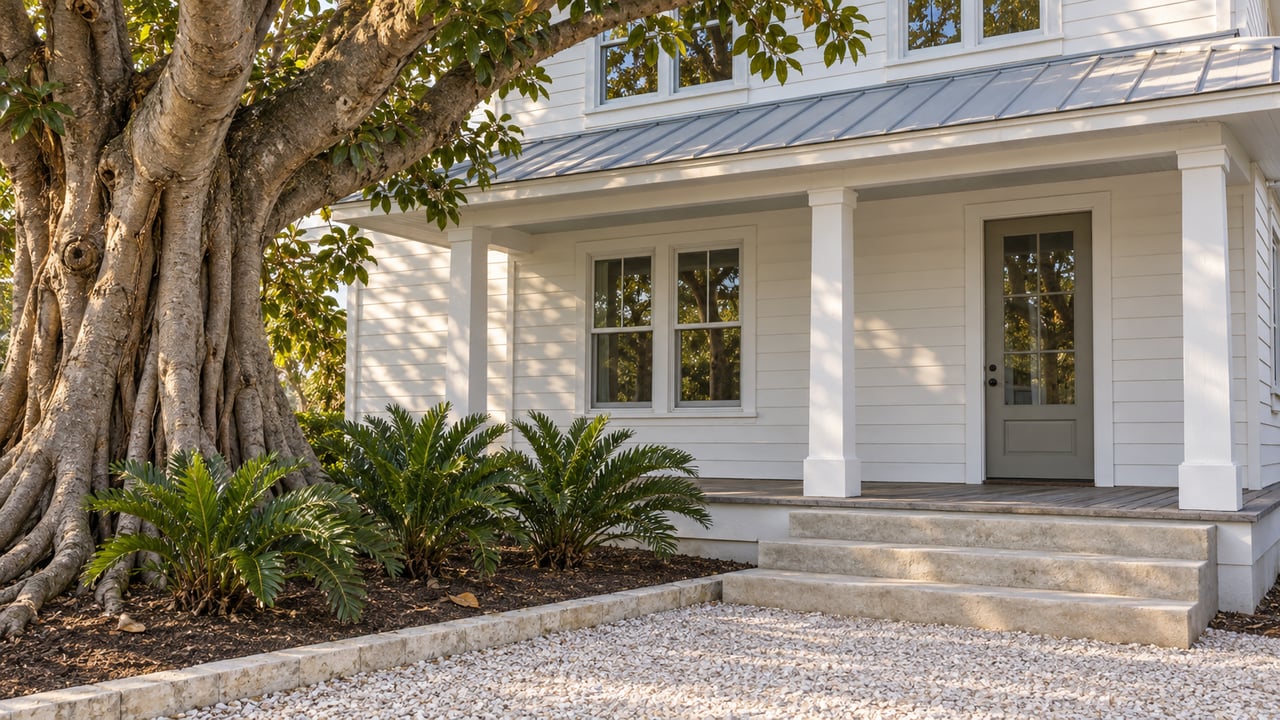
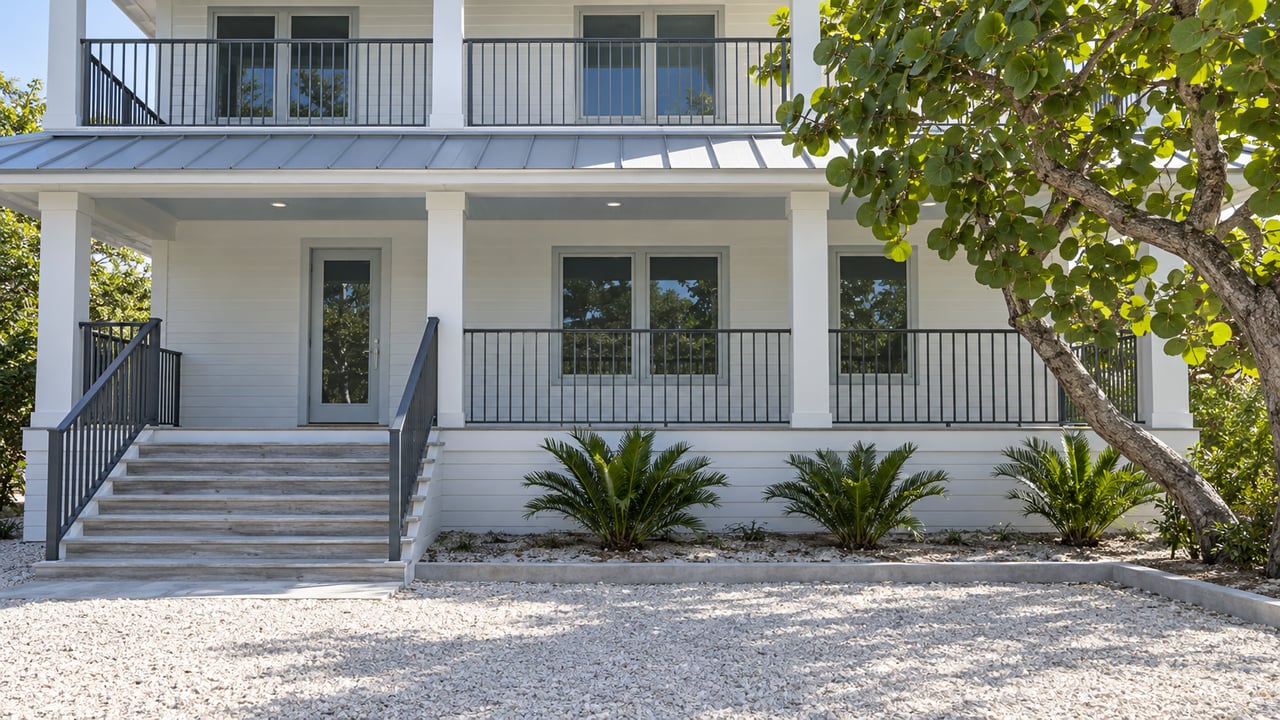
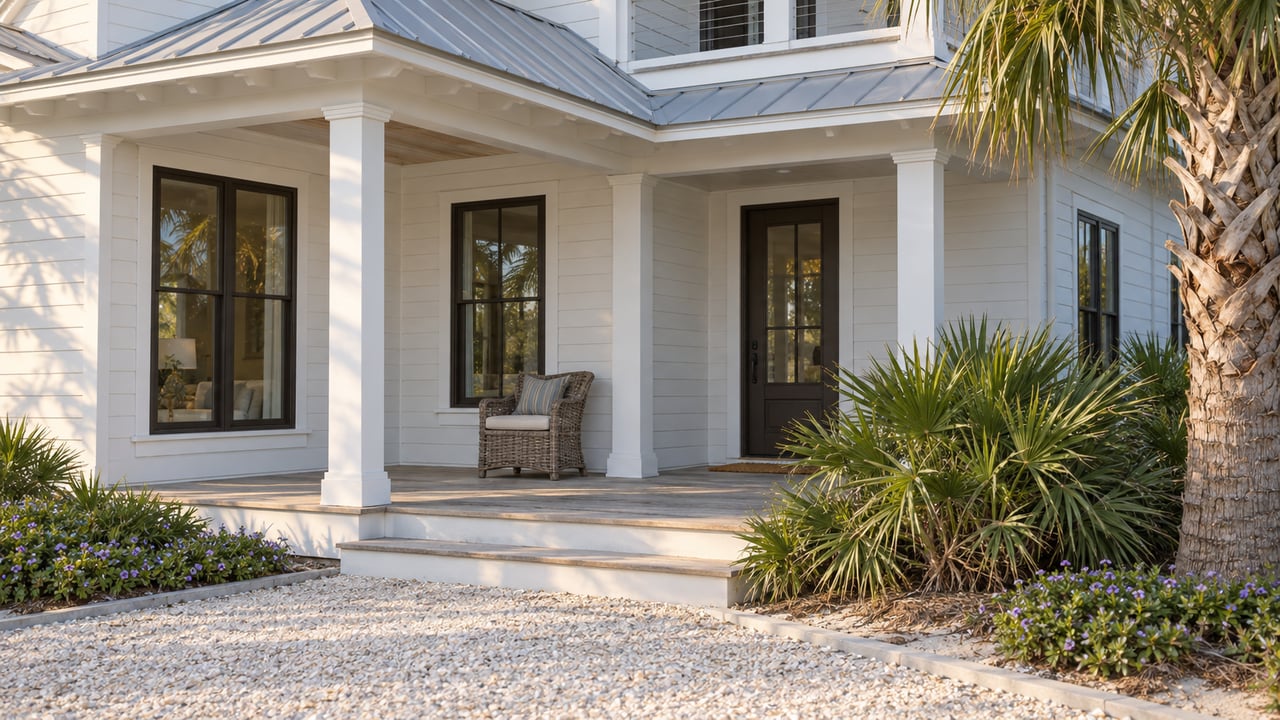
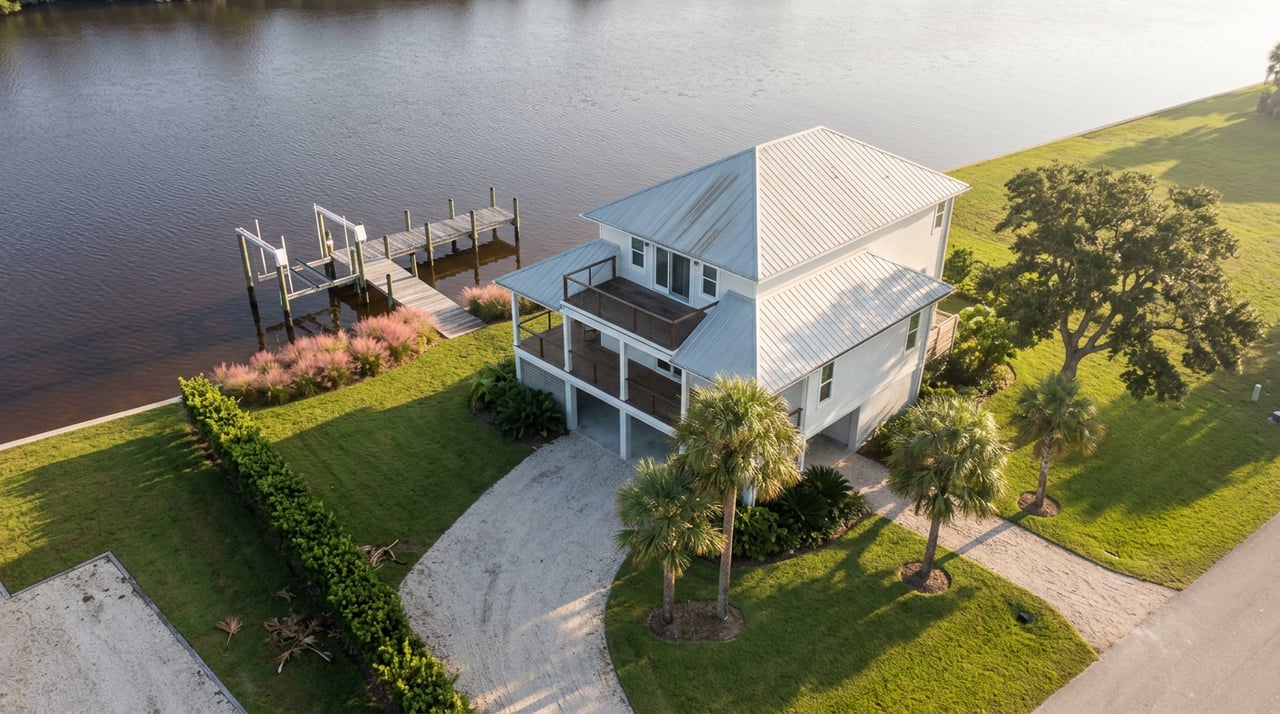
Boca Grande Isles was platted in 1973, when Sunset Realty Corporation bridged over the bayou at 16th Street and laid out the community with an incorporated homeowners association. Fifty-plus years later, the footprint hasn't grown. There are 123 single-family waterfront lots, full stop, with frontage on Boca Grande Bayou, Sunset Cove, Hole in the Wall Bay, Treasure Lake, Charlotte Harbor, or Gasparilla Sound depending on where a given parcel sits.
Five transactions against 123 lots is roughly 4% of the neighborhood changing hands in a year. Compare that to a typical coastal subdivision with a few hundred homes, where dozens of sales in a year give buyers and appraisers a real distribution to work from: recent closes on similar lots, similar square footage, similar water access, all pricing each other in something close to real time.
Boca Grande Isles doesn't have that distribution. It has five data points, and each one is a different kind of house on a different kind of water. There is no way to average your way to a fair price the way you can in a neighborhood with real transaction density.
When a market trades five times a year, the list price isn't a prediction. It's an opening position in a negotiation that hasn't started yet.
Why the Gap Isn't Evidence of a Mistake
In a thin market, a seller pricing a home has almost nothing recent and comparable to anchor against. The last sale on Sunset Cove tells you very little about what a home on Hole in the Wall Bay is worth, because the water is different, the sun exposure on the dock is different, the depth at low tide is different. So sellers price toward what the asset could be worth to the right buyer, not what an algorithm says it should sell for based on three closed comps from the last six months. That's not overreach. It's the only rational strategy available when comparables don't really exist.
The 13% average gap between ask and sale isn't the market correcting a pricing error. It's the negotiation doing the work that comparable sales data would normally do in a bigger, faster-moving neighborhood. The list price starts the conversation. The 66-day average marketing period is the time it takes for a buyer who actually wants that specific water view to find the listing and make an offer that reflects what the property is worth to them, not what a formula says it's worth to everyone.
This also explains why days-on-market is a weaker signal here than almost anywhere else on the island. A home sitting for two months in a neighborhood that only sells five homes a year isn't necessarily overpriced. It may simply be waiting for the one buyer whose boat, whose view preference, and whose budget line up with that particular lot.
What Deeded Water Access Actually Does to the Math
The other reason comps fail so completely in Boca Grande Isles is that nearly every lot in the community carries deeded waterfront access. That's not a marketing phrase. It means the value isn't attached to the house so much as to the water rights that come with the parcel, and those rights vary lot by lot depending on which body of water you're deeded into and how deep the canal runs at your dock.
The neighborhood is single-family only. There are no condos or townhomes competing for buyer attention at a lower price point, no mixed inventory diluting the comp pool the way it might in a community with multiple product types. Every sale is a single-family home on deeded water, which sounds like it should make comparisons easier. In practice it makes them harder, because the variable that matters most (which water, how deep, which direction the view runs) isn't something a square-footage-based comp can capture.
Add the private, controlled-access entry and the short golf cart or bike ride to the Village's shops and restaurants, and you get a community where the lifestyle draw is consistent but the underlying asset is not. Two homes of similar size a few streets apart can carry meaningfully different values because one backs onto open water toward Charlotte Harbor and the other sits on a quieter interior canal. A single average price per square foot smooths over that difference in a way that doesn't hold up lot by lot.
What This Means If You're Comparing Neighborhoods
For a buyer using portal data to compare Boca Grande Isles against other South Gasparilla communities, three things follow from all of this:
- Treat the list price as a starting point for negotiation, not a verdict on value. In a market this thin, sellers are pricing toward the buyer who wants exactly what they have, not toward a data-driven midpoint.
- Don't read a long time on market as a red flag by itself. With only a handful of sales a year, matching the right buyer to the right lot can take longer than in a higher-volume neighborhood, and that's a function of scarcity, not weakness.
- Weigh the specific water access and view corridor of a given lot more heavily than the neighborhood's average price per square foot. That average is built from five very different transactions and won't tell you much about what a specific parcel should be worth.
For a seller, the same thin-market dynamic cuts the other way. Pricing a home in Boca Grande Isles isn't a matter of pulling three recent comps and adjusting for square footage. It's closer to pricing a piece of art with a small pool of qualified buyers, where presentation, timing, and reaching the right audience matter more than matching a formula.
FAQ
Does the 87% list-to-sell ratio mean I should offer 13% under asking? Not automatically. That figure is an average across five very different transactions on five very different lots. The right offer depends on how that specific parcel's water access, view, and condition compare to what's realistically available in a neighborhood with only 123 lots total, not on applying a flat discount to any list price you see.
Why does inventory stay so limited in Boca Grande Isles? The neighborhood was fully platted in 1973 with a fixed lot count and hasn't expanded since. With 123 single-family waterfront lots and long average hold periods typical of a multigenerational second-home community, new listings simply don't appear as often as they do in larger or newer developments.
Is a longer time on market a sign a home is overpriced? In a higher-volume neighborhood, often yes. In a community that trades five homes a year, a longer marketing period is more often a function of matching a specific lot's water access to the right buyer than a signal of mispricing.
If you're weighing Boca Grande Isles against other waterfront enclaves on Gasparilla Island or across the causeway in Placida and Cape Haze, the averages you'll find online won't tell you much on their own. What matters is the specific lot, its water, and how it fits what you're actually trying to buy or sell. Melissa Csank has spent her career reading exactly these kinds of thin, lot-by-lot markets. Schedule a Private Consultation to talk through what a specific Boca Grande Isles property is really worth before you rely on a neighborhood average to tell you.