If you picture island life as effortless, Boca Grande Village may feel close to that ideal, but it comes with its own rhythm. This is a place where bikes and golf carts often shape the day, historic homes can come with added rules, and everyday conveniences are intentionally smaller in scale than on the mainland. If you are thinking about buying here, understanding those tradeoffs can help you choose with confidence. Let’s dive in.
Why Boca Grande Village Feels Different
Boca Grande Village sits in the center of Gasparilla Island, a seven-mile barrier island with a long history as the island’s physical, social, and commercial core. The historic district is generally bounded by Gilchrist Avenue, 5th Street, Palm Avenue, and 3rd Street, and its roots go back to the town’s founding in 1908.
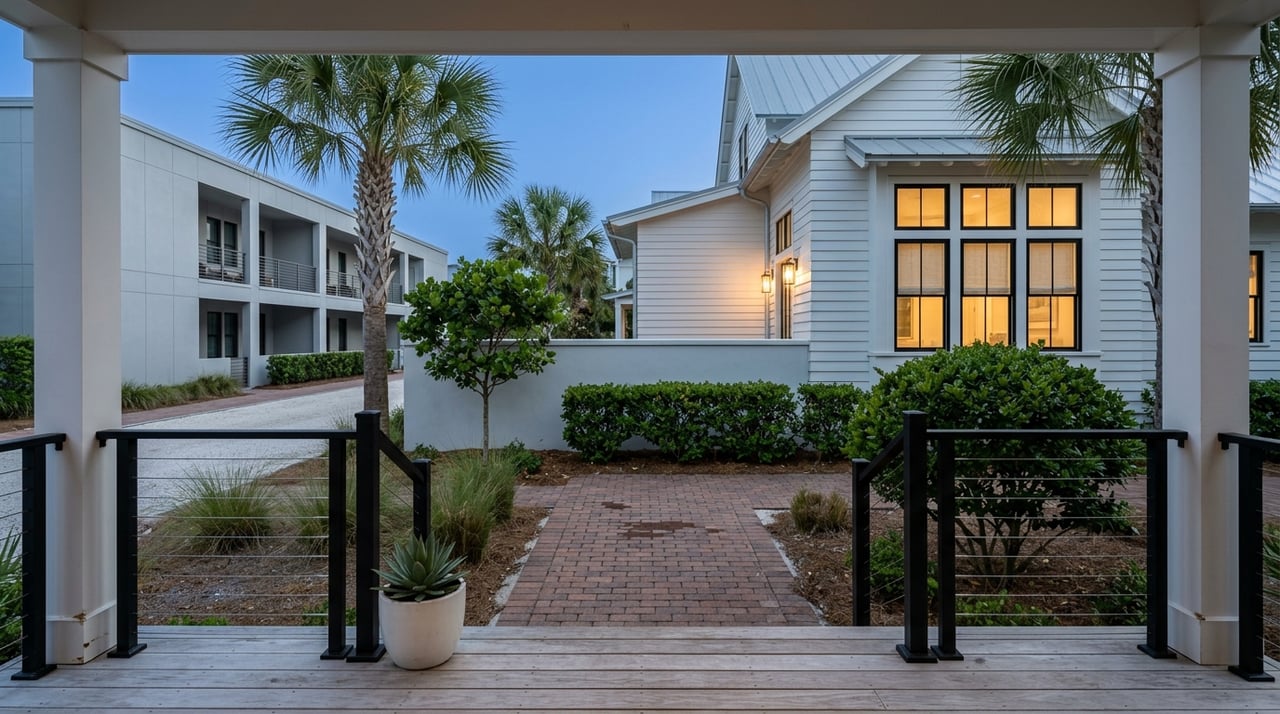
That history still shapes the experience of living here today. Instead of a suburban layout, you will find a compact village pattern with early cottages, winter residences, shops, and service uses gathered around a central area.
The atmosphere is one of the biggest reasons buyers are drawn here. The Boca Grande Area Chamber describes the island as quiet and carefully preserved, with no high rises and no traffic lights, which gives you a quick sense of the pace and character.
Getting Around the Village
Walkability is real, but limited
Many buyers ask whether Boca Grande Village is truly walkable. The short answer is yes, especially in the core commercial and historic area, but your daily routine will likely include more than just walking.
Because the village is compact, you can often get to nearby shops, dining, and community spots without covering much ground. Still, for short trips across the island or even around town, bicycles and golf carts are often the easier choice.
Bikes and golf carts shape daily life
Boca Grande is strongly oriented toward bikes and golf carts. The chamber notes that these are the preferred ways to move around the island, and the bike and golf cart path follows the old railroad right-of-way.
That said, golf cart use is not unrestricted. Florida law limits golf carts to designated roads and streets, so if you are considering village life, it helps to understand that golf-cart-friendly does not mean go-anywhere convenience.
Causeway access and parking matter
Another lifestyle consideration is how you enter and park on the island. Boca Grande is reached by the Boca Grande Causeway, which is a private toll road, so every trip to and from the mainland involves that access point.
Parking is also more structured than many buyers expect. Lee County states that non-residential zones are subject to a three-hour parking limit between 9 a.m. and 5 p.m., with permits available for residents, hotel guests, island employees or volunteers, and house guests or service providers.
Beach Access Is Part of Daily Living
For many buyers, beach access is not just a perk. It is part of the reason to be here in the first place. Boca Grande offers frequent access points that make the shoreline feel woven into everyday life.
Lee County lists 14 Gulf-side beach access locations and 11 bay-side access locations on Boca Grande. Gasparilla Island State Park also provides five parking lots for beach access, along with the lighthouse museum at the south end of the island.
What this means in practical terms is simple: if you value spontaneous beach walks, easy water views, and a lifestyle tied closely to the coast, the village supports that well. Your routine can feel more connected to the shoreline than it might in many mainland communities.
Everyday Conveniences to Expect
What is available on the island
Village living offers practical amenities, but in a more limited format than a mainland town. You can handle many daily needs locally, though you should not expect the same depth of services or retail concentration you would find off-island.
Lee County’s Boca Grande Park and Community Center at 131 1st Street serves as a recreation and meeting facility and includes restrooms and free parking. The Johann Fust Community Library at 1040 West 10th Street offers Wi-Fi, public computers, printing, and curbside pickup.
The chamber also notes that medical care is available at the Boca Grande Health Clinic downtown at Park Avenue and Third Street, with limited lab and x-ray services. If needed, island EMS can transport patients to mainland hospitals.
Local errands are simple, not extensive
The chamber directory reflects a small-business mix that includes restaurants, a farm-and-fish market, hardware, gift shops, and other service businesses. For many buyers, that strikes the right balance between convenience and a quieter village feel.
At the same time, this is an important expectation-setting point. Boca Grande Village can support local errands, dining, and community activity, but it is not designed like a large commercial district with broad service depth.
Housing Types You Are Likely to See
Historic cottages and older homes
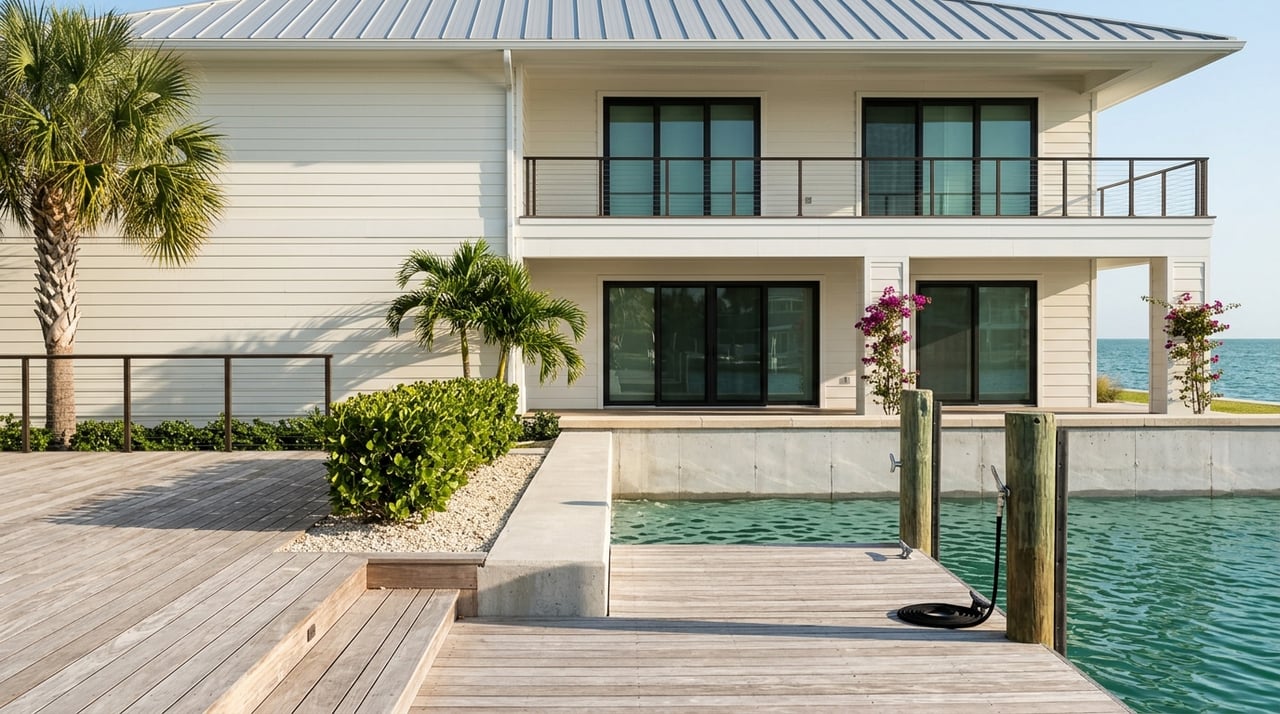
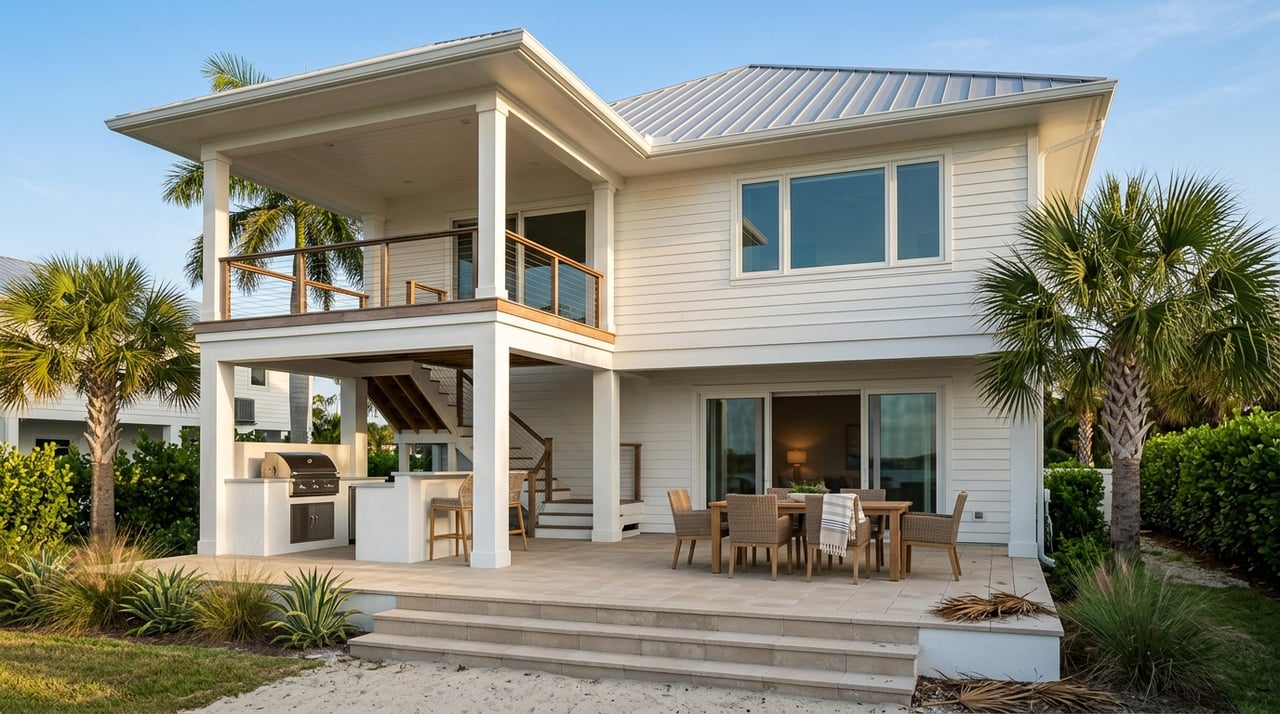
One of the defining features of Boca Grande Village is its architecture. Lee County notes that early island buildings often included wide eaves, covered porches, louvered shutters, raised floors, high ceilings, and rainwater cisterns, all practical responses to climate and isolation.
As you explore the village, you are likely to see historic cottages and older homes that reflect those original design patterns. These properties often appeal to buyers who value character, architectural detail, and a clear sense of place.
Estates, low-rise condos, and mixed uses
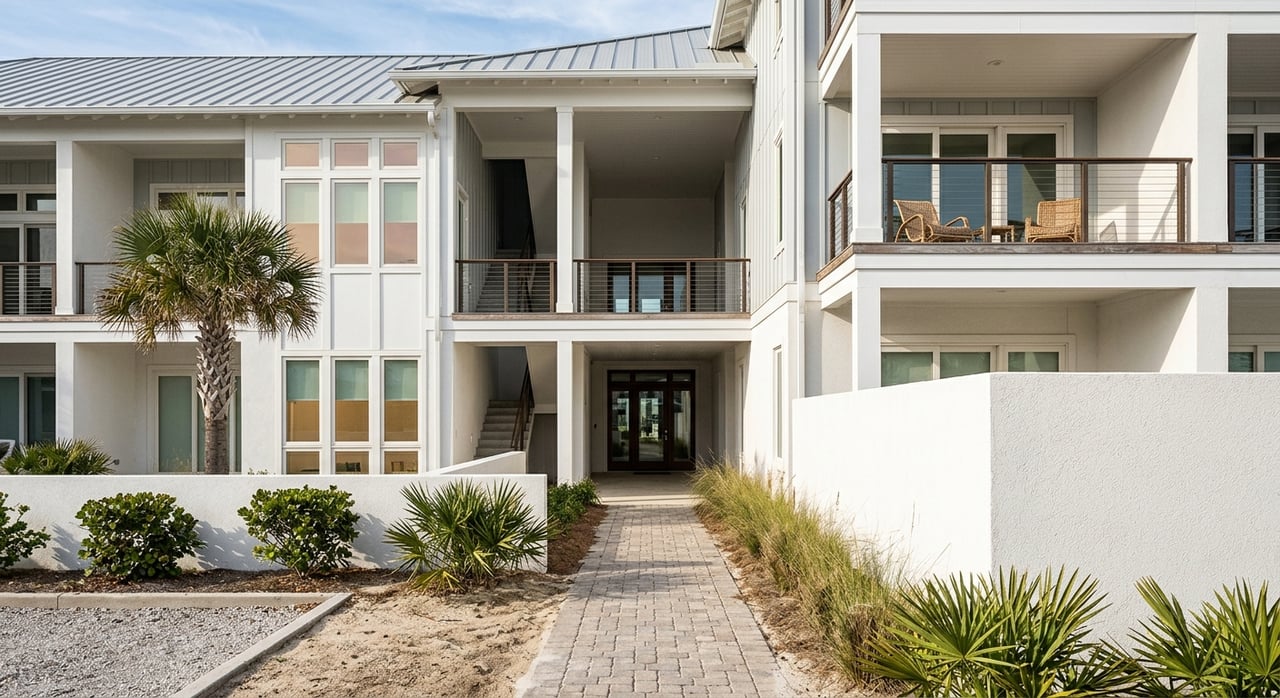
The housing stock is not one-note. Lee County’s historical record points to early resort-family cottages in the 1910s, while later decades introduced low-rise condominiums near the beaches.
Planning inventory also shows a mix of single-family homes, condominiums, commercial mixed use, restaurants, hotels, and other land-use categories in the taxing district. For you as a buyer, that means the broader village area offers variety, but still within a low-density island setting.
Renovation Rules Buyers Should Understand
If you are drawn to a historic property, it is important to understand that ownership may come with preservation responsibilities. In Boca Grande’s historic context, your freedom to renovate can be more limited than in a newer non-historic neighborhood.
Lee County explains that contributing and non-contributing properties are treated differently. A Certificate of Appropriateness is required before building, moving, or demolition permits are issued for historic resources, and special review is required for changes that alter the original appearance of a historic resource.
This does not mean historic ownership is a bad fit. It simply means you should go in with a clear plan, realistic timing expectations, and an appreciation for the fact that preservation standards are part of what helps maintain the village’s character.
Who Boca Grande Village Fits Best
Strong match for seasonal buyers
Boca Grande Village is especially appealing if you want a second home in a compact, historic setting with beach access and a slower pace. The area has long supported seasonal residents and visitors, and the local lifestyle is closely tied to beaches, bicycling, boating, fishing, and a resort-style rhythm.
If you are buying for part-time use, that balance can be especially attractive. You get a distinctive island setting with a clear identity, rather than a generic coastal environment.
A thoughtful choice for full-time living
Full-time buyers can absolutely enjoy village life, but it helps to be honest about priorities. Medical care on the island is limited compared with mainland communities, and parking and vehicle management are more structured than many full-time buyers first assume.
That does not make Boca Grande Village less desirable. It simply means the lifestyle tends to work best when you value setting, preservation, beach access, and a quieter scale more than extensive mainland-style convenience.
Key Questions to Ask Before You Buy
Before making a move, it helps to think beyond the home itself. In Boca Grande Village, lifestyle fit matters just as much as square footage or finishes.
Ask yourself:
- Do you enjoy a compact, historic environment more than a newer suburban layout?
- Are you comfortable relying on bikes or golf carts for many short trips?
- Does structured parking feel manageable for your routine and guests?
- Would limited on-island services work well for your needs?
- Are you open to extra review if you buy a historic home and want to renovate?
- Do you want beach access and village character to shape your everyday life?
If most of those answers are yes, Boca Grande Village may be a very strong fit. The best buying decisions here usually come from matching the property to the way you actually want to live on the island.
If you want local guidance on whether Boca Grande Village aligns with your goals, Melissa "Mel" Csank offers thoughtful, high-touch support for buyers who want a clear view of the island lifestyle, the housing options, and the details that matter before they make a move.
FAQs
Is Boca Grande Village walkable for everyday living?
- Yes, the village core is compact and walkable, but many residents and visitors also rely on bikes or golf carts for short trips.
Are golf carts allowed everywhere in Boca Grande Village?
- No, golf carts are part of daily life, but Florida law limits them to designated roads and streets.
What types of homes are common in Boca Grande Village?
- Buyers will often find historic cottages, older homes, some larger estate-style properties, and low-rise condominium options in the broader area.
Do historic homes in Boca Grande Village have renovation restrictions?
- Yes, historic resources may require a Certificate of Appropriateness before certain building, moving, demolition, or appearance-altering work can proceed.
How easy is beach access in Boca Grande Village?
- Beach access is a major lifestyle advantage, with multiple Gulf-side and bay-side access points across Boca Grande and additional access through Gasparilla Island State Park.
Is Boca Grande Village a good fit for full-time buyers?
- It can be, especially if you value a preserved island setting and slower pace, but you should be comfortable with more limited services and structured parking rules compared with many mainland areas.